
Diffuse Midline Glioma and Diffuse Intrinsic Pontine Glioma: An Extensive Overview And Emerging Treatment Discoveries

Word Count: 5514
Divya Pavuluri, Lilia Nelson, Muhammed Imran, Noah Gudal
Divya Pavuluri | Writer/Researcher
River Hill High School
Lilia Nelson | Writer/Researcher
David W. Butler High School
Muhammed Imran | Writer/Researcher
Atholton High School
Noah Gudal | Writer/Researcher
Atholton High School
Table Of Contents...................................................................................................................... 2
Abstract........................................................................................................................................ 3
Introduction..................................................................................................................................4
Discussion..................................................................................................................................... 7
Why Diffuse Intrinsic Midline Glioma (DIPG) with an H3 K27M Mutation?................ 7
Diagnosis.......................................................................................................................................9
Symptoms and Signs..................................................................................................................9
Medical Techniques Used For Diagnosing.......................................................................... 10
Medical Professions................................................................................................................... 12
Pediatric Neuro-Oncologist..................................................................................................... 12
Molecular Geneticist...................................................................................................................12
Treatments.................................................................................................................................... 14
Radiation Therapy.........................................................................................................................14
Chemotherapy...............................................................................................................................15
CAR T-cell Therapy....................................................................................................................... 15
Precision Oncology.......................................................................................................................15
Statistics......................................................................................................................................... 16
Impact.............................................................................................................................................. 17
Physical.............................................................................................................................................17
Cognitive...........................................................................................................................................17
Emotional..........................................................................................................................................17
Conclusion...................................................................................................................................... 18
Works Cited.....................................................................................................................................19
Acknowledgement........................................................................................................................22
Abstract
This study will focus on a comprehensive overview of the disease Diffuse Midline Glioma (DMG), including Diffuse intrinsic pontine glioma (DIPG), with an H3 K27M Mutation. DMG is a severe disease, mostly affecting young children and rare adults, caused by fast-growing tumors that develop in any midline structures along the nervous system during early childhood brain development. DIPG is a subtype of DMG that develops in a specific midline region of the brain called the pons. These diseases have a low survival rate and make daily life difficult for children due to where the cells rapidly replicate and form tumors. The pons is a severely important part of the brain used for vital functions such as breathing, heart rate, and blood pressure, as well as functions used for seeing, hearing, and talking (National Cancer Institute, n.d.). Because DIPG develops in the pons, it causes symptoms that stifle these functions. About 300 children are diagnosed with DIPG each year in the United States. Getting diagnosed relies on only a few methods, the main ones being a biopsy or an MRI. Currently, the only widely available treatments are chemotherapy and radiation therapy, which only temporarily offset tumor growth. Fortunately, our study will also focus on new treatment options that may help increase lifespan, such as CAR T-cell therapy and ONC201. We will focus on how these treatments can be used, compare them with existing treatments, and evaluate how they affect DIPG and DMG.
Introduction
Diffuse intrinsic pontine glioma (DIPG), including its subtype Diffuse Midline Glioma (DMG), is a lethal type of brain cancer that primarily affects young patients between ages 4–9 years old, carrying a five-year survival rate below 5% and an average survival time of just 12 months (Mandorino et al., 2024). The World Health Organization (WHO) classifies DMG, including DIPG, as a grade 4 cancer, meaning it is a highly malignant and fast-growing cancer. And although similarly related, the tumors of DIPG specifically affect the pons region of the brain, a crucial area that links the right and left hemisphere of the cerebellum, and sends messages through the nervous system. While the tumors of DMG develop in any midline structure in the nervous system, including the pons, thalamus, and spinal cord. DIPG and DMG are usually associated by a H3K27M mutation in histone H3 genes. Specifically, roughly 85% of DIPG and DMG tumors contain an H3K27M mutation, which results from a somatic missense mutation—a mutation where the amino acid in the DNA of somatic (body) cells is altered or changed—in genes encoding for histone H3.3 and H3.1 (Mandorino et al., 2024). This abnormal mutation drives the aggressive growth of cells and the genetic alteration of histone proteins, causing the transition of cells into malignant tumors. The development of the tumor can disrupt several aspects of crucial brain development processes, including the epithelial-mesenchymal transition pathway (EMT) (Mandorino et al., 2024). While the EMT is crucial to the regeneration of new cells needed for wound healing and repair, abnormal mutations caused by the mutated H3K27M can hijack the process to produce more cells than necessary.
Furthermore, due to the sensitive location of the diseases, it is often difficult to diagnose, and there are sparse effective treatment methods. There are only a handful of ways to diagnose the disease. MRI scans—typically with and without contrast—were historically the safest way of diagnosis due to the tumor's delicate position (Mandorino et al., 2024). But nowadays, there are newer and more effective treatment options, such as tissue biopsy, a type of biopsy that allows the tumor to be viewed at a molecular level and inform prognosis (medical forecast predicting the likely forecast of the disease and future complications) (Mandorino et al., 2024). Alternatively, a new type of minimally invasive liquid biopsy using blood is also used to diagnose the disease by detecting the presence of the tumor's DNA in the bloodstream. Standard treatment options are similarly limited. The few options available include intense radiation therapy, where high-energy X-ray beams target and kill mutant cancerous cells, and chemotherapy, which uses powerful drugs to kill cancerous cells and reduce rapid replication (Yang et al., 2024). Both treatment plans are effective in short-term relief, but unfortunately, neither does little to effectively cure individuals of DIPG and DMG. Fortunately, novel treatments aimed at potentially extending relief and survival in pediatric patients are currently under study.
One approach is CAR T-cell therapy, in which a modular fusion protein is genetically engineered as an immunoglobulin T-cell receptor (Yang et al., 2024). The receptors would target specific gene markers on the cancerous cells of the tumor and trigger T-cell activation in that cell, killing the cell in the process.

Figure 1. Overview of the CAR T-cell therapy process
Patient T cells are collected, genetically engineered to express chimeric antigen receptors (CARs) that recognize tumor-associated antigens, expanded in the laboratory, and reinfused into the patient. The modified CAR T-cells are designed to selectively identify and destroy H3K27M-positive diffuse midline glioma cells in the context of this study, offering a targeted immunotherapy approach for a cancer that is largely inaccessible to surgical resection.
Another treatment is ONC201 therapy, a small molecular drug that penetrates the blood-brain barrier, disrupts mitochondrial function, and over-activates protein lytic activity through proteins like ClpP. Additionally, ONC201 medication can send engineered viruses to selectively infect tumor cells, causing them to break down and stimulate an anti-tumor immune response.
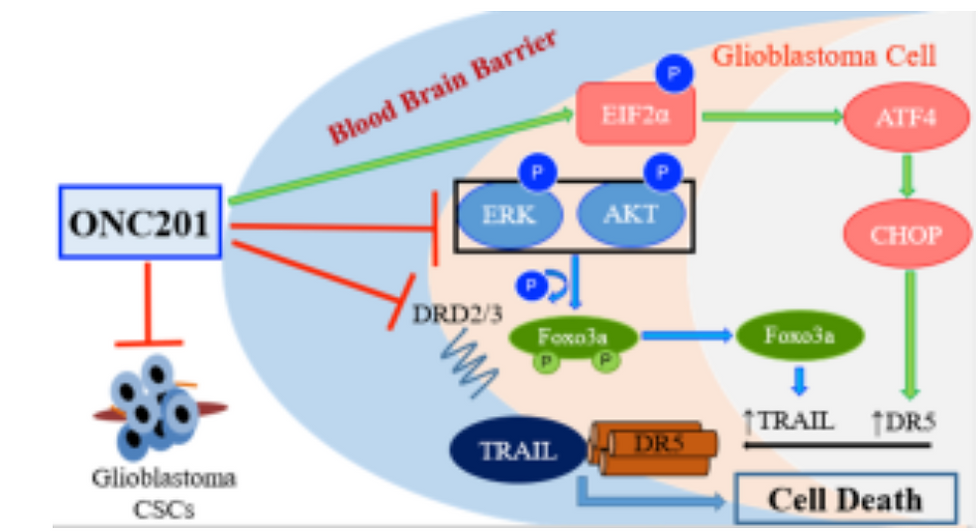
Figure 2. Mechanism of action in ONC201 in glioblastoma.
ONC201 crosses the blood-brain barrier, suppresses pro-survival signaling pathways such as ERK and AKT, activates the integrated stress response through ATF4 and CHOP and finally promotes TRAIL apoptosis. Although this mechanism was characterized in glioblastoma, ONC201 may be able to produce similar antitumor effects in H3K27M-mutant DMG by inducing apoptosis in DIPG cells through the same mechanism.
In general, this research centers on evaluating the effectiveness of CAR T-cell and ONC201 therapy in improving quality of life and extending lifespan in children with DIPG and DMG? Additionally, it measures the treatments' effectiveness in restoring H3K27M levels to normalcy and their ability to halt the growth of tumor cells compared to other treatment options?
Discussion
Why DMG and DIPG?
It is an extremely deadly brain tumor, which is quite challenging to detect and cure. The reason why the brainstem tumor cannot be surgically removed is that surgery would result in significant harm to many vital functions of the human body, such as breathing, swallowing, and moving.

Figure 3. Normal cell division and its breakdown in cancer development
A parent cell replicates its chromosomes within the nucleus and divides into two genetically identical daughter cells to maintain tissue growth and repair. When the genes regulating this controlled replication process become damaged or mutated, the cells divide continuously without stopping, accumulating into a mass of cells known as a tumor.
This brain tumor mostly occurs in young children aged 4-9 years, and its average survival time is no longer than 12 months, with a 5% rate of surviving over 5 years. Because of the cruelty of this disease, many families of affected children suffer from severe anxiety, depression, and emotional trauma.
Usually, parents have to take care of their ill children all day long, as well as bear financial expenses associated with visiting specialized hospitals and receiving medical treatment for this deadly disease. Thus, in order to increase the chance of survival of the diagnosed children, it is crucial to know more about this disease and to develop more efficient treatments.
Current methods of treatment such as radiation therapy do not solve the problem but just alleviate symptoms, which indicates that there is an urgent need for discovering more effective ways of curing this disease.
Finding an effective treatment for DIPG and DMG could not only save the lives of affected children but also improve scientists' understanding of genetic mutations and lead to new treatments for other aggressive pediatric cancers. Continued research into targeted therapies offers hope for better outcomes in the future.
Diagnosis
Symptoms and Signs
DIPG, as previously stated, is a harmful tumor that grows directly on the pons region of the brain, the part of the brain crucial for relaying messages between the brain and the body. While DMG develops on any midline structure of the nervous system, regions responsible for many essential functions such as movement, sensation, breathing, and coordination. When these areas are affected by the tumor, a plethora of severe difficulties arise, making daily life for a child very difficult. Some common symptoms include:
Balance and Coordination Problems: Many children with this disease have issues balancing, standing straight, or simply walking normally. This symptom mainly stems from the tumor growing against the vestibular nuclei and reticular formation regions in the brainstem. These regions mainly control balance, posture, and alertness. This symptom can also cause affected children to be bedridden until their death.
Speech Weakness: Victims with DIPG and DMG may find it is very difficult to speak or express themselves. When they can speak, their speech is usually slurred or very slow. This symptom is due to the fact that the tumor grows against the pons region (which controls facial movement) of the brainstem. This growth damages the cranial nerves and weakens the neck muscles that control speech and help form words. Sometimes speech can be improved with speech therapy, but it is very difficult to reverse the damage the tumor does (The DIPG/DMG Collaborative, n.d.).
Vision Impairment: Vision problems in victims usually show up over a wide range. Some victims may have double vision, meaning their eyes do not align properly, causing them to see two objects instead of the typical one. Some may become cross-eyed or droopy-eyed due to the eyelid nerves being affected by the tumor (Liv Hospital, n.d.).
Trouble Swallowing: Due to the tumor severely affecting the pons region of the brainstem, children may find it difficult to move their mouths to swallow food and water properly. This may also lead to severe nutritional deficiencies for the child (The DIPG/DMG Collaborative, n.d.).
Severe Headaches and Nausea: Children may often have severe headaches that may last for a long period of time due to the tumor's position in the brain. Nausea may also be induced because of increased uneasiness and discomfort.
Medical Techniques Used For Diagnosing
The diagnosis of DMG and DIPG with an H3 K27M mutation requires the integration of clinical evaluation, advanced neuroimaging, histopathological examination, and molecular genetic testing. Because DMGs arise within eloquent midline structures of the central nervous system, most commonly the pons where they are referred to as DIPG, they produce progressive neurological deficits that often develop rapidly over the course of only a few weeks. A comprehensive neurological examination is therefore the first step in recognizing the possibility of an underlying brainstem malignancy. Some include:
Magnetic resonance imaging (MRI): An MRI with and without gadolinium contrast remains the diagnostic gold standard for the initial evaluation of suspected DMG or DIPG. MRI typically demonstrates a diffusely infiltrative lesion centered within the pons, although tumors may also arise in other midline structures such as the thalamus or spinal cord. Advanced imaging modalities, including diffusion-weighted imaging (DWI), diffusion tensor imaging (DTI), magnetic resonance spectroscopy (MRS), and perfusion-weighted imaging, provide additional information regarding tumor cellularity, metabolic activity, white matter tract involvement, and vascularity. While these radiographic characteristics strongly suggest diffuse midline glioma, imaging alone cannot distinguish tumors based on their underlying molecular alterations.
Stereotactic Biopsy: Due to the flaws of an MRI diagnosis, stereotactic biopsy has become an increasingly important component of modern diagnosis. Historically, biopsy of pontine tumors was considered excessively risky because of the density of vital neurological structures within the brainstem. However, advances in image-guided neurosurgical techniques have significantly improved procedural safety, allowing clinicians to obtain tumor tissue with a relatively low complication rate. The tissue obtained provides invaluable diagnostic and prognostic information that cannot be acquired through imaging alone.
Histopathological And Molecular Characterization: Following biopsy, tumor specimens will undergo an extensive histopathological and molecular characterization. Immunohistochemical staining is used to identify the mutant H3 K27M protein, while next-generation sequencing confirms mutations in histone H3 genes such as H3F3A, HIST1H3B, or HIST1H3C. The H3 K27M mutation disrupts normal epigenetic regulation by inhibiting the Polycomb Repressive Complex 2 (PRC2), resulting in a profound global reduction of the repressive histone mark H3K27me3. This epigenetic dysregulation alters gene expression, promotes uncontrolled cellular proliferation, and contributes directly to the aggressive biological behavior of the tumor. Because of these unique molecular characteristics, the World Health Organization classifies H3K27M altered DIPG and DMG as a Grade 4 central nervous system tumor regardless of its microscopic appearance. Identifying this mutation is therefore essential not only for establishing an accurate diagnosis but also for determining eligibility for targeted therapies, and clinical trials.
Liquid Biopsy: Researchers are also investigating liquid biopsy as a minimally invasive diagnostic alternative. Rather than relying on surgically obtained tissue, liquid biopsy detects circulating tumor DNA (ctDNA) released from malignant cells into the cerebrospinal fluid and, in some cases, peripheral blood. Although this technology remains under active investigation, it offers the potential to monitor disease progression, evaluate therapeutic response, and detect molecular evolution throughout treatment without requiring repeated neurosurgical procedures.
Despite remarkable advances in diagnostic technology, receiving a diagnosis of diffuse midline glioma remains devastating for patients and their families. Most children are diagnosed between the ages of five and ten, often after what appears to be a sudden and unexplained neurological decline. Within weeks, previously healthy children may lose the ability to walk independently, speak clearly, swallow safely, or perform everyday activities. Families are forced to transition rapidly from routine childhood experiences to navigating specialized medical care, repeated hospitalizations, rehabilitation services, and difficult treatment decisions. Although early molecular diagnosis has expanded opportunities to participate in clinical trials investigating therapies such as CAR T-cell therapy, and ONC201, DNG and DIPG remains one of the most aggressive pediatric cancers. Consequently, an accurate diagnosis serves not only as the foundation for treatment planning but also as the beginning of comprehensive medical, psychological, and supportive care for both the patient and their family.
Medical Professions
Pediatric Neuro-Oncologist
Pediatric neuro-oncologists are physicians who specialize in diagnosing and treating cancers of the brain and nervous system in infants, children, and adolescents. Because DIPG and DMG is an aggressive pediatric central nervous system malignancy, these specialists oversee nearly every aspect of a patient’s medical care, from confirming the diagnosis to coordinating treatment and monitoring disease progression. They work closely with neurosurgeons, neuroradiologists, neuropathologists, radiation oncologists, rehabilitation specialists, and palliative care teams to develop individualized treatment plans that balance extending survival with preserving neurological function and quality of life. Pediatric neuro-oncologists interpret MRI findings, analyze molecular diagnostic reports identifying the H3K27M mutation, prescribe therapies such as radiation and targeted medications like ONC201, evaluate eligibility for clinical trials, and monitor treatment response through serial imaging and neurological assessments. As experimental therapies continue to evolve, these physicians are also instrumental in leading clinical research involving immunotherapies, precision medicine, and emerging gene-editing technologies such as CAR T-cell therapy
Becoming a pediatric neuro-oncologist requires an extensive educational and clinical training pathway. After earning a bachelor’s degree with a strong foundation in biology, chemistry, physics, and mathematics, students complete four years of medical school to earn either a Doctor of Medicine (M.D.) or Doctor of Osteopathic Medicine (D.O.) degree. Following medical school, physicians complete a three-year residency in pediatrics before pursuing a three-year fellowship in pediatric hematology and oncology. Many then complete an additional one- to two-year fellowship specializing in pediatric neuro-oncology or conduct research in pediatric brain tumors and molecular therapeutics. This rigorous training equips physicians with expertise in childhood cancer biology, neuroanatomy, neuroimaging, pharmacology, and the rapidly advancing field of precision oncology.
Molecular Geneticist
Molecular geneticists investigate the genetic and epigenetic mechanisms responsible for diseases such as DMG and DIPG and play a critical role in advancing precision medicine. Using sophisticated laboratory techniques including next-generation sequencing, polymerase chain reaction (PCR), immunohistochemistry, and genomic analysis, these scientists identify mutations such as H3K27M and examine how they alter cellular function. Research has shown that the H3K27M mutation disrupts the activity of the Polycomb Repressive Complex 2 (PRC2), resulting in a global reduction of the repressive histone mark H3K27me3. This epigenetic disruption causes abnormal patterns of gene expression that promote uncontrolled cellular proliferation and tumor progression. By characterizing these molecular pathways, geneticists help identify biomarkers for diagnosis, improve prognostic accuracy, and discover therapeutic targets that may be exploited through targeted drugs or gene-editing technologies.
The educational pathway to becoming a molecular geneticist typically begins with a bachelor’s degree in genetics, molecular biology, biochemistry, biotechnology, or a closely related life science. Many professionals continue their education by earning a Master of Science (M.S.) or, more commonly, a Doctor of Philosophy (Ph.D.) in molecular genetics, genomics, or biomedical sciences. During graduate training, students develop expertise in molecular biology, bioinformatics, genome sequencing, epigenetics, and laboratory research methods while conducting original scientific investigations. Some molecular geneticists also complete postdoctoral research fellowships to gain advanced experience in cancer genomics, pediatric oncology, or gene-editing technologies. Their extensive scientific training enables them to translate discoveries made in the laboratory into innovative diagnostic tools and experimental therapies that have the potential to improve outcomes for children with DMG and DIPG
Pediatric Radiation Oncologists
Pediatric radiation oncologists are specialized physicians who design and oversee targeted radiation for young patients fighting central nervous system tumors, serving as a central pillar of care for children with DMG and DIPG (Colement et al.). Because these aggressive malignancies arise deep within vital brain structures where complete surgical removal is virtually impossible, focal radiation therapy stands as the primary standard of care treatment to reduce tumor burden, alleviate distressing neurological symptoms, and temporarily halt disease growth (Coleman et al.). These specialists leverage precise delivery modalities such as intensity-modulated radiation therapy (IMRT) and proton beam therapy. These administer effective therapeutic doses (typically 54 to 60 Gray) while shielding neighboring healthy brain tissues from unnecessary exposure. Working as key members of the multidisciplinary team, pediatric radiation oncologists also explore reirradiation protocols when progression occurs and collaborate on clinical trials combining radiotherapy with targeted drugs (Coleman et al.).
Becoming a pediatric radiation oncologist requires a long and dedicated training journey centered on radiation physics and pediatric oncology. Trainees begin by earning a four-year bachelor's degree in a foundational scientific field before completing four years of medical school to obtain an M.D. or D.O. degree. From there, physicians enter a five-year residency program in radiation oncology, starting with an internship year in general pediatrics or internal medicine, followed by four years focused on therapeutic radiology, radiation physics, clinical radiobiology, and computer-assisted treatment planning. Many specialists then pursue a specialized one-year fellowship in pediatric radiation oncology, where they hone their skills in tailoring radiation techniques for young bodies while learning to mitigate long-term neurocognitive and developmental side effects. This thorough preparation ensures these physicians can balance aggressive cancer control with the unique developmental needs of growing children.
Treatments
Current treatment options for DMG and DIPG remain limited because of the tumor’s infiltrative growth and its location within the pons or other midline structures, which is a region responsible for vital neurological functions such as respiration, heart rate and motor control. As a result, complete removal of the tumor through surgical resection is not feasible without causing severe neurological damage, leaving radiation therapy as the most common form of treatment currently (Weisbrod et al.; Valvi et al.).
External beam radiation therapy temporarily slows down tumor progression by inducing DNA damage in rapidly dividing tumor cells (Valvi et al.). Conventional treatment typically consists of 54-60 Gy (gray) delivered over approximately six weeks. Nearly 70% of patients experience temporary improvement or stabilization of neurological symptoms following radiation, these benefits generally last only a few months before the tumor begins to progress again. Therefore, radiation is considered a palliative treatment, giving patients only six to eight months before tumor development commences again (Valvi et al.; Wang et al.).

Figure 4. Linear accelerator (LINAC) used in external beam radiation therapy
A medical linear accelerator delivers high-energy radiation beams targeted precisely at cancerous tumors. The rotating gantry system moves around the patient to deliver radiation from multiple angles, maximizing the therapeutic dose delivered to destroy cancer cells' DNA while minimizing exposure to surrounding healthy tissue.
Chemotherapy
Chemotherapy has shown limited effectiveness when it comes to treating the tumor because many anticancer drugs cannot adequately cross the blood-brain barrier (Wang et al.). In addition, DIPG and DMG cells possess molecular characteristics that make them resistant to many conventional chemotherapeutic agents (Wang et al.). Clinical trials combining chemotherapy with radiation therapy have therefore failed to significantly improve overall survival compared with radiation therapy alone (Valvi et al.; Wang et al.).
CAR T-cell Therapy
To overcome these limitations, researchers have developed targeted therapies that exploit the molecular characteristics of DIPG and DMG. One promising approach is CAR T-cell therapy, in which a patient’s T lymphocytes are genetically engineered to recognize tumor-associated antigens, such as GD2, expressed on H3K27M-mutant tumor cells (Monje et al.; Ronsley et al.). After infusion back into the patient, these engineered T cells selectively destroy cancer cells while stimulating an anti-tumor immune response (Ronsley et al.). Early clinical trials have reported tumor regression and neurological improvement in several patients, although inflammatory toxicities and cytokine release syndrome remain important safety concerns (Monje et al.).
Precision Oncology
Recent advances in precision oncology have led to the development of targeted therapies designed to interfere with the specific molecular abnormalities that drive diffuse midline glioma. One of the most promising agents is dordaviprone (ONC201), the first FDA-approved systemic therapy for recurrent H3K27M-mutant diffuse midline glioma. Unlike conventional chemotherapy, which nonspecifically targets rapidly dividing cells, dordaviprone selectively activates the integrated stress response and promotes apoptosis, or programmed cell death, within tumor cells. Research also suggests that the drug may partially restore H3K27me3 levels disrupted by the H3K27M mutation, helping reverse some of the epigenetic dysregulation responsible for uncontrolled tumor growth. Although dordaviprone has demonstrated encouraging improvements in progression-free survival and neurological function in some patients, it is not considered curative, as many tumors eventually develop resistance and continue to progress.
Statistics
DIPG and DMG are rare pediatric brain tumors, with approximately 150–300 new cases diagnosed each year in the United States. The disease primarily affects children between the ages of 4 and 9 years old, with the average age at diagnosis being around 6 to 7 years old. Studies have shown that approximately 54% of patients are male and 46% are female.
Despite advances in pediatric cancer research, DIPG and DMG continue to have one of the lowest survival rates among childhood cancers. The average survival time after diagnosis is approximately 12 months, and only about 10% of patients survive for two years or longer. The five-year survival rate remains below 5%, highlighting the aggressive nature of the disease and the limited effectiveness of current treatments.
Researchers have also found that approximately 80–85% of DIPG and DMG tumors contain the H3K27M mutation, making it one of the primary genetic drivers of tumor growth. Because this mutation is present in the majority of cases, many experimental therapies are now being designed to specifically target H3K27M. Although treatments such as radiation therapy can temporarily relieve symptoms and slow tumor progression, they have not significantly improved long-term survival rates. As a result, researchers continue to investigate promising alternatives such as CAR T-cell and ONC201 therapy.
Impact
Physical
The H3K27M mutation of DIPG and DMG drives rapid tissue invasion into the pons or surrounding midline areas. The abnormal tumor cells of DIPG rapidly divide and spread into surrounding brain tissue (most commonly in the pons or thalamus), the tumor swells in volume. Due to the skull being a rigid space with no room to expand, this growing mass presses against the brain’s pathways, blocking the normal drainage channels of cerebrospinal fluid (CSF) and causing fluid to back up. (Louis et al.). When the tumor puts more pressure on the brainstem, patients struggle to speak and swallow. Severe swallowing difficulties create a high risk of choking, making surgical placement of a G-tube necessary for nutrition. Radiation therapy can temporarily shrink the tumor and offer short-term relief, however it carries heavy physical costs such as severe fatigue and skin irritation.
Cognitive
Because DIPG typically arises within the pons, or in other midline structures in DMG, rather than regions associated with cognition, patients often retain full cognitive awareness during the early to middle stages of disease progression (Mandorino et al.). Children are frequently fully aware of their physical decline, preserving full cognitive abilities despite losing the ability to speak and losing physical mobility. Additionally, radiation therapy, and tumor-induced hydrocephalus can cause secondary cognitive effects, including altered processing speed, memory difficulties and a diminished attention span.
Emotional
DIPG and DMG creates profound emotional distress for patients, parents, siblings and extended care networks. Facing rapid motor and visual decline, pediatric patients often experience frustration, fear, confusion, and social isolation as they lose independence and normal childhood interactions. Parents and caregivers face emotional trauma, high rates of anxiety, depression, and severe caregiver burnout. Managing intense daily care needs while anticipating disease progression places an immense burden on family dynamics and mental health (The DIPG/DMG Collaborative, n.d.). Finally, frequent hospitalizations, travel to specialized neuro-oncology centers and expensive medical interventions impose severe financial hardship on affected families.
Conclusion
DIPG and DMG with an H3K27M mutation remains one of the most devastating pediatric brain cancers due to its aggressive nature, critical location within the brain, and limited treatment options. Despite advancements in diagnostic techniques, such as MRI, stereotactic biopsy, and liquid biopsy, have improved physicians' ability to identify the disease, the prognosis for patients remains poor. Conventional treatments, such as radiation therapy and chemotherapy, provide only temporary symptom relief and have not significantly increased long-term survival.
As a result, researchers have shifted their focus toward targeted therapies that address the unique molecular characteristics of DIPG. Among these, CAR T-cell therapy and ONC201 have emerged as promising approaches due to their ability to selectively target tumor cells and overcome some of the limitations associated with traditional treatments. Early clinical studies suggest that these therapies may improve symptom management, slow tumor progression, and extend survival in some patients. However, additional research and larger clinical trials are necessary to fully evaluate their long-term safety, effectiveness, and potential role in standard treatment protocols.
While there is currently no cure for DIPG and DMG, continued advancements in targeted therapies offer hope for improving outcomes in children affected by this devastating cancer. As scientific understanding of the H3K27M mutation continues to advance, treatments such as CAR T-cell therapy and ONC201 may ultimately lead to more effective, personalized treatment strategies that extend survival and enhance quality of life for pediatric patients and their families.
Works Cited
"Blood Test May Detect Genetic Changes in Brain Tumors." National Cancer Institute, 2018, https://www.cancer.gov/news-events/cancer-currents-blog/2018/liquid-biopsy-childhood-brain-tumors.
Cancer Research UK. “How Chemotherapy Works.” Www.Cancerresearchuk.Org, Cancer Research UK, 10 June 2020, https://www.cancerresearchuk.org/about-cancer/treatment/chemotherapy/how-chemotherapy-works. Accessed 28 July 2026.
Coleman, Christina, et al. “Interdisciplinary Care of Children with Diffuse Midline Glioma.” Neoplasia, vol. 35, Jan. 2023, p. 100851, https://doi.org/10.1016/j.neo.2022.100851.
"Communication Challenges." The DIPG/DMG Collaborative, https://dipg.org/treatment/patient-care/communication-challenges/.
Davola, M. E., and K. L. Mossman. "Oncolytic Viruses: How 'Lytic' Must They Be for Therapeutic Efficacy?" OncoImmunology, vol. 8, no. 6, 2019, p. e1581528. Taylor & Francis, https://doi.org/10.1080/2162402X.2019.1596006.
"Diffuse Intrinsic Pontine Glioma (DIPG)." Nationwide Children's Hospital, https://www.nationwidechildrens.org/conditions/diffuse-intrinsic-pontine-glioma.
"Diffuse Midline Glioma – Diagnosis and Treatment." Mayo Clinic, 2025, https://www.mayoclinic.org/diseases-conditions/diffuse-midline-glioma/diagnosis-treatment/drc-20584427.
"Diffuse Midline Glioma, H3 K27M-Mutant Treatment." St. Jude Children's Research Hospital, 2024, https://www.stjude.org/care-treatment/treatment/childhood-cancer/brain-tumors/diffuse-midline-glioma-h3-k27m-mutant.html.
"DIPG Eye." Liv Hospital, https://int.livhospital.com/dipg-eye/.
Epelbaum, Julia, et al. "INNV-07. The Role of Biopsy in Molecular Diagnosis of Diffuse Intrinsic Pontine Glioma Patients." Neuro-Oncology, vol. 22, suppl. 2, 2020, p. ii118. Oxford University Press, https://doi.org/10.1093/neuonc/noaa215.491.
“How the Linear Accelerator Is Transforming Radiation Therapy.” Revere Health, https://reverehealth.com/live-better/how-the-linear-accelerator-is-transforming-radiation-therapy/. Accessed 28 July 2026.
Kaoutar Bentayebi, Rim El Aked, Oumaima Ezzahidi, Alae Bekkouri Alami, Louati, S., Mouna Ouadghiri, Tarik Aanniz, Saaïd Amzazi, Lahcen Belyamani, Ibrahimi, A., Keittisak Suwan, Amin Hajitou, & Rachid Eljaoudi. (2024). Targeting Molecular Mechanisms Underlying Treatment Efficacy and Resistance in DIPG: A Review of Current and Future Strategies. Brain Disorders, 14, 100132–100132. https://doi.org/10.1016/j.dscb.2024.100132
Louis, D. N., Perry, A., Wesseling, P., Brat, D. J., Cree, I. A., Figarella-Branger, D., Hawkins, C., Ng, H. K., Pfister, S. M., Reifenberger, G., Soffietti, R., von Deimling, A., & Ellison, D. W. (2021). The 2021 WHO Classification of Tumors of the Central Nervous System: a summary. Neuro-Oncology, 23(8). https://doi.org/10.1093/neuonc/noab106
Mandorino, Manuela, et al. “Pediatric Diffuse Midline Glioma H3K27-Altered: From Developmental Origins to Therapeutic Challenges.” Cancers, vol. 16, no. 10, Multidisciplinary Digital Publishing Institute, May 2024, pp. 1814–14, https://doi.org/10.3390/cancers16101814.
Mandorino, M., et al. "Pediatric Diffuse Midline Glioma H3K27-Altered: From Developmental Origins to Therapeutic Challenges." Cancers, vol. 16, no. 10, 2024, p. 1814. MDPI, https://doi.org/10.3390/cancers16101814.
Monje, M., Mahdi, J., Majzner, R. G., Yeom, K., Schultz, L. M., Richards, R., Barsan, V., Song, K.-W., Kamens, J., Baggott, C., Kunicki, M., Lim, A. S., Reschke, A., Mavroukakis, S., Egeler, E., Moon, J., Patel, S., Harshini Chinnasamy, Erickson, C., … Mackall, C. L. (2024). DIPG-47. SEQUENTIAL INTRAVENOUS AND INTRACEREBROVENTRICULAR GD2-CAR T-CELL THERAPY FOR H3K27M-MUTATED DIFFUSE MIDLINE GLIOMAS. Neuro-Oncology, 26(Suppl 4), 0. https://pmc.ncbi.nlm.nih.gov/articles/pmc11182938/
National Cancer Institute. Childhood Diffuse Intrinsic Pontine Glioma (DIPG) Treatment (PDQ®)–Patient Version. U.S. Department of Health and Human Services, https://www.cancer.gov/types/brain/patient/diffuse-intrinsic-pontine-glioma.
National Cancer Institute. “NCI Dictionary of Cancer Terms.” National Cancer Institute, Cancer.gov, 2019, https://www.cancer.gov/publications/dictionaries/cancer-terms/def/car-t-cell-therapy.
"Nutrition and Feeding." The DIPG/DMG Collaborative, https://dipg.org/treatment/patient-care/nutrition-and-feeding/.
Ralff, Marie D., et al. “ONC201: A New Treatment Option Being Tested Clinically for Recurrent Glioblastoma.” Translational Cancer Research, vol. 6, no. S7, Oct. 2017, pp. S1239–43, https://doi.org/10.21037/tcr.2017.10.03.
Ronsley, R., Bertrand, K. C., Song, E. Z., Timpanaro, A., Choe, M., Tlais, D., Vitanza, N. A., & Park, J. R. (2024). CAR T cell therapy for pediatric central nervous system tumors: a review of the literature and current North American trials. Cancer and Metastasis Reviews. https://doi.org/10.1007/s10555-024-10208-4
Saratsis, Amanda M., et al. "H3K27M Mutant Glioma: Disease Definition and Biological Underpinnings." Neuro-Oncology, vol. 26, suppl. 2, 2023, pp. S92–S100. Oxford University Press, https://doi.org/10.1093/neuonc/noad164.
Valvi, S., Manoharan, N., Mateos, M. K., Hassall, T. E., Ziegler, D. S., McCowage, G. B., Dun, M. D, Eisenstat, D. D, Gottardo, N. G., & Hansford, J. R. (2024). Management of patients with diffuse intrinsic pontine glioma in Australia and New Zealand: Australian and New Zealand Children’s Haematology/Oncology Group position statement. The Medical Journal of Australia, 220(10), 533–538. https://doi.org/10.5694/mja2.52295
Weisbrod, L. J., Anand Thiraviyam, Raghupathy Vengoji, Shonka, N., Jain, M., Ho, W., Batra, S. K., & Salehi, A. (2024). Diffuse Intrinsic Pontine Glioma (DIPG): A Review of Current and Emerging Treatment Strategies. Cancer Letters, 590, 216876–216876. https://doi.org/10.1016/j.canlet.2024.216876
Yang, Z., et al. "New Progress in the Treatment of Diffuse Midline Glioma with H3K27M Alteration." Heliyon, vol. 10, no. 2, 2024, p. e24877. Elsevier, https://doi.org/10.1016/j.heliyon.2024.e24877.
Acknowledgement
We would like to thank Sunshine 4 Cancer Kids for providing the consultation, guidance, and encouragement that helped us throughout the process of writing this paper. Their support inspired us to continue learning and conducting research.
We would also like to thank Slidesgo for providing the presentation template that we used to create our slideshow.
Finally, we would like to make it clear that no funding was provided for the completion of this research paper, and no financial profit will be made from it. This work was conducted solely for educational and research purposes.


Comments