
BRAF V600E Pediatric Low-Grade Glioma – A Comprehensive Overview

Word Count: 8,233
Anaelle Beauchamp | Writer/Researcher
Stony Brook University
Ashlyn Lam | Writer/Researcher
Beaverton Academy of Science and Engineering
Neharika Muraleedharan | Writer/Researcher
Millennium School
Sanvi Kodiripaka | Writer/Researcher
Allen High School
Zoya Afroz | Writer/Researcher
Reservoir High School
Table of Contents
Abstract…………………………………………………………………………………………...3
Introduction………………………………………………………………………………………4
Discussion……………………………………………………………………….………………...7
Disease and Background…………………………………………………...…………………...2
What is a tumor?...................................................................................................................8
What is a glioma?..................................................................................................................8
Pediatric Low-Grade Glioma: Classification and Molecular Background………..9
Epidemiology and Demographics of Pediatric Low-Grade Glioma.……………..10
BRAF V600E Mutation and Molecular Mechanism……………..….………………10
Clinical Significance of BRAF V600E in Pediatric Low-Grade Glioma.…………..12
Medical Professionals……………………………………………………………………12
Diagnosis………………………………………………………………………………………...14
BRAF V600E Mutation and MAPK Signaling Pathway………...………………...…14
Patient Population and Typical Age at Diagnosis……………….…………………..15
Signs and Symptoms………………………………………………..…………………..16
Medical Technology for Diagnosis…………………………………..………………....17
World Health Organization Staging and Risk Classification……………………….17
Current Standard of Care…………………………………………………………………...…19
General Principle…………………………………………………..……………………...19
Surgery…………………………………………………………...………………………...19
Chemotherapy……………………………………………….…………………………....20
Targeted Therapy…………………………………………..….…………………………..21
Radiation…………………………………………………..………………………………22
Stem-Cell Transplant…………………………………….……………………………….24
Quality of Life After Treatment………………………………………………………….25
Treatment………………………………………………………………………………………..27
From Old Chemotherapy to Precise, Effective Medicine………….………………..27
Targeted Treatment Options……………………………………………..……………...28
Combination Therapy: Dabrafenib (Tafinlar) and Trametinib (Mekinist).................28
Dual Vertical Inhibition………………………………………………….............………..29
Second-Generation Inhibitor: Tovorafenib…………………………........……………31
Clinical Evidence: The Landmark Phase II TADPOLE Trial……………..……………32
Statistics…………………………………………………………………………………………34
Incidence and Prevalence……………………………………………….……………...34
Age Distribution……………………………………………………………………….....35
Sex Distribution………………………………………………………………………….35
Tumor Location…………………………………………………………………………..36
Clinical Evidence and Prognostic Significance……………………...……………….37
Survival and Prognosis…………………………………………………………………..39
Limitations………………………………………………………………………………………40
Implications…………………………………………………………………………………..…42
Impact……………………………………………………………………...……………………44 Conclusion…………………………………………………………………………………...….46
Acknowledgement…………………………………….…………………………………...….48
Bibliography………………………………………………………………………………...…..49
Abstract
Pediatric low-grade glioma (pLGG) is a commonly found brain tumor affecting children. A significant subset of these tumors is driven by the BRAF V600E mutation, which causes the MAPK signaling pathway to remain continuously active. This leads to the constant division and growth of cells, resulting in tumor formation. This paper examines how the BRAF V600E mutation affects the diagnosis, prognosis, and treatment of pediatric low-grade gliomas. The research methodology includes a thorough analysis and review of research studies, clinical trials, molecular testing, and current treatments and outcomes in pLGGs. This review found that identifying the BRAF V600E mutation allows doctors to use targeted therapies such as dabrafenib, trametinib, and tovorafenib, which have shown higher overall response rates (47% compared with 11% for chemotherapy) and fewer side effects, with grade lll or higher adverse events occurring in 47% of patients receiving targeted therapy compared to the 94% who receive chemotherapy However, targeted therapy is not effective for every child due to challenges such as treatment resistance, high costs, limited eligibility, and unequal access to specialized treatments. Overall, this paper demonstrates how understanding the genetics of pLGGs has improved treatment options, demonstrating the shift from traditional chemotherapy to precision medicine, and highlights the need for continued research to further improve the quality of life for children with this disease.
Keywords: BRAF V600E-mutated pediatric low-grade glioma (pLGG); Mitogen-activated protein kinase kinase (MAPK); Molecular targeted therapies; Glioma; Child; Food and Drug Administration (FDA).
Introduction
Pediatric low-grade gliomas (pLGGs) are the most common brain tumor diagnosed in children, most commonly affecting children under the age of 10. Pediatric low-grade gliomas account for 30-40% of all pediatric central nervous system (CNS) tumors (Fangusaro et al., 2024). This type of brain tumor consists of high overall survival rates, exceeding 90% (Brizini et al., 2026). Despite these favorable outcomes, pLGGs still remain a challenge because tumor progression, resistance, and long-term effects can impact a child’s quality of life. These tumors originate from glial cells, which support and protect neurons in the brain and spinal cord, and are classified based on their growth patterns as either low or high grade.

Figure 1. Comparative neuroimaging of brain tumors. Left: Low-grade glioma. Right: High-grade glioma
Low-grade gliomas have lower rates of invasion compared to high-grade gliomas because they grow slower and are less aggressive than high-grade gliomas. However, despite these high survival rates, these tumors can cause significant neurological damage and complications due to their location within critical areas of the developing brain, which can result in significant neurological complications
Recent studies have shown that many pLGGs are driven by alterations in the mitogen-activated protein kinase (MAPK) signaling pathway, which regulates critical functions such as cell growth, division, and survival. One of the most common genetic mutations, found in approximately 17% of pLGGs, is the BRAF V600e mutation (Lasaletta et al., 2017). BRAF is a gene that codes for the BRAF protein, a key component of the MAPK signaling pathway, which is responsible for transmitting signals that regulate cell behavior. In the BRAF V600E mutation, the amino acid switch valine (V) is replaced with the glutamic acid (E) at position 600, altering the protein's structure. This alteration causes the protein to become continuously active, leading to constant signaling through the MAPK pathway. As a result, cells divide and replicate uncontrollably contributing to the tumor growth. Because this mutation directly influences tumor biology, it can affect how pLGGs are diagnosed, how they respond to treatment, and how physicians determine the most effective therapeutic approaches.
The presence of the BRAF V600E mutation has become an important factor in understanding pediatric low-grade gliomas because it provides insight into tumor behavior and creates opportunities for targeted therapies While traditional treatments such as surgery, chemotherapy, and radiation have improved survival outcomes, molecular therapies that specifically target BRAF represent the evolving area of research in pediatric oncology. This research paper explores how: “In today’s society, how does the BRAF V600E mutation change the onset of diagnosis, prognosis, and treatment outcomes in pediatric patients with low-grade glioma?"
Discussion
Why BRAF V600E Pediatric Low-Grade Glioma?
Our research on the BRAF V600E mutation in pediatric low-grade glioma (pLGG) was driven by our interest in understanding how a single genetic mutation can influence the development, progression, and treatment of childhood brain tumors. BRAF V600E is one of the most common genetic alterations found in pediatric low-grade gliomas (pLGGs) and plays a significant role in activating pathways. As students with a strong interest in pediatrics and advancements in medicine, we were fascinated by how studying one mutation can provide insight into the complex relationship between genetics and cancer. Researching BRAF V600E highlights the shift toward precision medicine, where therapies can specifically target mutated proteins while preserving health, developing brain tissue in children. By exploring the molecular aspect, diagnosis, and emerging target treatments associated with this mutation, we hope to better understand how genomic discoveries are transforming pediatric cancer care, personalized treatment outcomes, reducing side effects, and providing more personalized options for children affected by brain tumors. This research has also emphasized the importance of continued scientific innovation, increased awareness, and further exploration into rare pediatric cancers to improve the future of patient care.
Disease and Background
What is a Tumor?
A tumor is an abnormal growth of cells. While not all tumors are cancerous, cancer develops when abnormal cells grow uncontrollably and begin to invade nearby tissues or spread to other parts of the body (Cleveland Clinic).
What is a glioma?

Figure 2. Structural brain MRI revealing a low-grade glioma
Gliomas are typically a developing amount of cells similar to healthy neuroglial cells that physically support the functionality and homeostasis of nerve cells within the nervous system. As medical professionals have not yet revealed the legitimate causes of developing a glioma, it begins when cells display changes in a cell’s DNA. This causes an exceedingly rapid rate of creation in cells that function abnormally, as healthy cells die. Leading to the formation of a tumor, or abnormally functioning mass of cells, that press against surrounding nerves, inherently causing swelling by blocking fluid flow (Gompel et al.) These tumors followed by the growing abnormal changes in cell creation continue to invade and destroy healthy brain tissue, primarily in the central nervous system.
Pediatric Low-Grade Glioma: Classification and Molecular Background
This research is centered around pediatric low-grade glioma (pLGG): a slow-growing brain tumor that develops from glial cells, which support and protect nerve cells in the brain and spinal cord. pLGG is considered a low-grade (WHO grade I to II) brain tumor because their cells grow slowly, and are less likely to invade neighboring brain tissue compared with high-grade gliomas, which are significantly more aggressive and grow rapidly. Pediatric low-grade gliomas include several tumor types: such as pilocytic astrocytoma (5%–10%), ganglioglioma (25%– 45%), diffuse astrocytoma (35%– 40%), and pleomorphic xanthoastrocytoma (40%–80%). A subset of these tumors contains the BRAF V600E mutation, a genetic alteration found in 15-20% of pLGG cases. This mutation is most commonly found in pleomorphic xanthoastrocytoma, gangliogliomas, and a subset of diffuse low-grade gliomas. Research has shown that tumors with this mutation, due to BRAF V600E ability to influence tumor behavior and treatment response, have a poorer prognosis when treated with standard chemotherapy or radiation, making BRAF-directed therapies an important area of study. (Fouda; Lassaletta et al.; "Types of Brain Tumors in Children").
Epidemiology and Demographics of Pediatric Low-Grade Glioma
Pediatric low-grade gliomas are the most common central nervous system (CNS) tumor in children, accounting for nearly 30% of pediatric CNS tumors. These tumors primarily affect children and adolescents with diagnosis often occurring during early childhood. This is due to the fact that, in children, the brain is still growing and many glial cells are actively dividing. A mutation occurring during this period can cause a group of glial cells to grow into low-grade glioma. BRAF V600E is one of the most common mutations found in pLGGs, occurring in approximately 15-20% of cases. This means that while BRAF V600E is not present in the majority of pLGGs, it represents a significant subgroup of childhood brain tumors. In the one clinical study of BRAF V600E, the median age at diagnosis was 4.5 years (range: 0.1-22.3 years), demonstrating that his mutation-associated tumor subtype can occur early in life. that these tumors primarily affect young children. This study did not identify a strong sex preference, suggesting that BRAF V600E-mutated pLGGs can occur in both males and females without a clear difference in frequency (Owsley et al., 2021; Suh and Koh, 2026).
BRAF V600E Mutation and Molecular Mechanism
The BRAF V600E mutation can occur in multiple tissues throughout the body because the BRAF gene is involved in regulating cell growth in many different cell types. The primary genetic alteration involved is the BRAF V600E mutation: a point mutation in the BRAF gene.

Figure 3. Chromosomal locus 7q34 depicting the physical location of the BRAF gene on Chromosome 7.
This gene, located on chromosome 7 and provides instructions for making the B-Raf protein, a kinase involved in regulating cell growth, division, and survival. B-Raf functions as part of the RAS-RAF-MEK-ERk (MAPK) signaling pathway, also known as the MAPK pathway, which normally controls when cells should grow and divide. Under normal conditions, this pathway is tightly regulated to maintain healthy tissue development and prevent uncontrolled cell growth. However, the BRAF V600E mutation alters the BRAF protein by replacing the amino acid valine (V) with glutamic acid (E) at position 600. This mutation causes the B-Raf protein to remain continuously active, even when the cell does not need growth signals. As a result, the MAPK pathway becomes overactive, continuously stimulating downstream proteins such as ERK that promote cell growth and survival. In pLGGs, this persistent signaling can cause glial cells to receive constant instructions to divide, leading to abnormal cell proliferation and tumor formation (Johns Hopkins Medicine, 2023; Sait et al., 2023).
Clinical Significance of BRAF V600E in Pediatric Low-Grade Glioma
The BRAF V600E is one of the most common genetic alterations in pediatric gliomas. It occurs in 23% of all pediatric gliomas. Additionally this mutation has important clinical implications because it can influence tumor behavior, prognosis, and treatment decision. In pLGGs, this mutation has been associated with increased risk of tumor progression and anaplastic (high-grade) transformation. As a result, the BRAF V600E mutation is considered a negative prognostic factor, meaning patients with this mutation often have a poorer outlook. The mutation is usually somatic alteration, meaning it develops during a person’s lifetime within tumor cells rather than being inherited from a patient. Although inherited BRAF mutations are possible, they are very rare. Because BRAF V600E directly activates the MAPK pathway, it provides a target for precision medicine approaches. Studies evaluating pediatric gliomas have identified BRAF V600E in a subset of tumors, including cases where low-grade tumors later progressed to more aggressive forms, highlighting the importance of understanding this genetic alteration in pLGG biology (Guidi & Giunti, 2017; Johns Hopkins Medicine, 2023).
Medical Professionals
Patients diagnosed with a BRAF V600E mutant glioma benefit from a highly coordinated team of medical specialists who deliver precision, gene targeted cancer care. Neuro-oncologists are the primary coordinators, managing the administration of targeted drug combinations which specifically shut down the mutated protein signaling pathways that drive tumor growth. Neuro-oncologists work alongside neurosurgeons, who perform delicate operations to safely remove as much tumor tissue as possible, and neuropathologists, who run advanced genomic sequencing to confirm the exact BRAF mutation. If the tumor requires further localized treatment, radiation oncologists target the area with precise energy beams to destroy remaining cancer cells. All in all, together this medical team completely addresses symptom management, rehabilitation, and the patient’s overall quality of life.
Diagnosis
BRAF V600E Mutation and MAPK Signaling Pathway
The BRAF V600E mutation reveals a critical molecular landscape of pediatric low-grade glioma (pLGG) , which can also involve BRAF fusions, and other alterations affecting the RAS/MAPK signaling pathway. Medical advances in molecular profiling have demonstrated that many pLGGs develop through genetic alterations that activate this signaling pathway (Suh and Koh)

Fig 4. Representation of the MAPK/ERK and the PI3K/AKT signaling pathways. This illustrates how BRAF and RAS lead to persistent signaling that promotes cell proliferation.
The gene regulatory cascade indicates a delay within a consecutive, linear chain of genes that pinpoint on a singular gene—leading to a negative domino-effect of the following genes (Bond et al., 2007). This unregulated mutation is the primary driver of development in the pediatric tumor cell due to constant triggers of the MAPK/ERK signals (Suh and Koh). The BRAF V600E mutation is a specific point mutation in the BRAF gene that results in one nucleotide substitution within the transmission of genetic information from tRNA and ribosomes to the creation of amino acids (Suh and Koh). At this point, the amino acid at position 600 is substituted from valine (V) with glutamic acid (E). During gene expression, the altered DNA sequence is transcribed into mRNA, which is then read by a ribosome during protein synthesis . tRNA molecules recognize the mRNA codons and deliver corresponding amino acids to the ribosome, ultimately producing altered BRAF protein. Uncontrolled, the mutation persists to malign, fueling the overactivation of the mitogen-activated protein kinase (MAPK) signaling pathway. As a result, cells receive continuous signals to grow and divide, therefore it causes immense DNA damage and promotes metastasis of the pLGG.
Patient Population and Typical Age at Diagnosis
Pediatric low-grade gliomas primarily affect children and adolescents, with many cases occurring during childhood. The BRAF V600E mutation for pediatric low-grade glioma is categorized as a glioneuronal tumor, recognized as ganglioglioma. This mutation is often most prevalent as a childhood central nervous system condition, located in the spinal cord or brain—particularly in the hypothalamus, optic chiasm, and cerebral cortex (Collins et al.). Over the past two decades, research has uncovered that the most common histopathologic diagnosis on the BRAF V600E-mutated pLGG was followed by ganglioglioma, representing 83% of cases. Demographics indicated a median age of diagnosis at 4.5 years (range, 0-1-22.3 years) (Nobre et al.)
Signs and Symptoms
These BRAF V600E-associated pediatric low-grade gliomas are often symptomatic, requiring a prohibitive plan of care alongside therapeutic intervention (Nunno et al.). As a result, the BRAF V600E-mutated ganglioma relative to the development of the tumor’s location, size, and growth rate causes emerging symptoms (Nunno et al.) All in all, the specific symptoms experienced by a child are often related to the anatomical region affected by the tumor.
Common symptoms include frequent headaches and nausea, which can occur when a tumor increases pressure inside the skull or interferes with the normal flow of cerebrospinal fluid; seizures, which are particularly associated with tumors involving the cerebral cortex because abnormal tissue can disrupt normal electrical activity; vision problems caused by tumors near the optic pathways, which can result in blurred or double vision; balance and coordination problems associated with tumors near the cerebellum or surrounding structures; weakness or sensory changes caused by tumors affecting areas responsible for movement or sensation, which can result in numbness or difficulty controlling part of the body; cognitive or behavioral changes caused by tumors involving regions responsible for memory, attention, language, or emotional regulation, which can lead to changes in academic performance, concentration, memory, or personality; and hormonal changes caused by tumors near the hypothalamus or pituitary gland, which can interfere with hormone regulation and may affect growth, puberty, thirst, or other endocrine functions. Additionally, children may experience a decline in cognitive function, including difficulties with understanding, attention span, memory, or thought processes (American Cancer Society, 2025; Pollack, 2011; St. Jude Children's Research Hospital, n.d). (IJzerman-Korevaar et al.).
In cases when these signs and symptoms start to arise alongside the suspicion of embodying a tumor, patients will be prompted to visit a neurologist or a neurosurgeon for a neurological and physical examination to evaluate vision, coordination, reflexes, strength, cognition, and other neurological functions (Dorsey and Salinas).
Medical Technology for Diagnosis
Magnetic resonance imaging (MRI) is the primary imaging technique used to regulate suspected pediatric brain tumors, because it provides detailed images of the brain and surrounding structures.
Computed tomography (CT) may also be used when an MRI is unavailable or when rapid imaging is necessary.
In some cases, a biopsy or surgical tissue sample is obtained to determine the tumor’s histologic and molecular characteristics, including the presence of mutation such as BRAF V600E. Additionally, the demographic factor of age plays a big role in narrowing down the specific type of chain tumor a child may endure in advance of a biopsy (Parsons and Pollack).
World Health Organization Staging and Risk Classification
A risk classification foundation varies on an individual’s age, location, histology, and molecular profile of the tumor, allowing a medical professional to properly identify the tumor’s precise staging, prognosis, and treatment intensity. Low-risk tumors can be managed with caution and care by examination and surgery, meanwhile high-risk tumors carry a more aggressive result with extensive treatment such as chemotherapy or targeted therapy (Suh and Koh).
Based on the World Health Organization (WHO) cancerous risk classifications, the BRAF V600E pediatric low-grade glioma, primarily in contact with the brain and spinal cord (30% of youth central nervous systems), are defined as a grade l to ll (Suh and Koh).
Current Standard of Care
General Principle
Treatment for BRAF V600E-mutated pediatric low-grade glioma (pLGG) is determined by several factors, including tumor location location, whether the tumor can be safely removed, disease progression or recurrence, symptoms, and the tumor’s molecular characteristics. Patients ranging from children to young-adults harbor distinct biological and driver profiles (Qu and Pan). Young-adults demonstrate a stronger diverse molecular anatomy, including specific regions in the body that exhibit enhanced molecular structures compared to pediatric-type cases who differ with a less structured molecular profile (Qu and Pan). As the result of these factors vary between patients, no single treatment is solely effective or appropriate for every pediatric patient.
Surgical Resection
BRAF V600E-mutated pediatric low-grade glioma varies largely on the staging classification of the diagnosed condition based on the specific biological and driver profile of the patient. In cases with lower risk of the BRAF V600E mutation, surgical resection is primarily an upfront treatment utilized to remove an initial tumor. This is identified as a Gross Total Resection (GTR) which removes all visible tumors when complete removal can be performed without causing unacceptable neurological damage. A process of Subtotal Reaction (STR) is used if portions of the tumor are unreachable. An STR is generally performed to reduce the volume of the tumor to relieve pressure, otherwise collected for surgical biopsy and molecular profiling (McThenia et al.). Surgery may be more preferred as the appliance of long-term advanced treatment on children and adolescents carry consequences of decreased puberty, fertility, and may even lead to increasing risks of a secondary cancer (Suh and Koh). However, surgical resection is not always curative because there are profound long-term health and free of recurrence, this treatment option most often fails to completely cure or mitigate the tumor volume due to frequent remains of the cancerous molecular structure, resulting in a continuous propagation through the brain (Canella et al.).
Chemotherapy
Relative to a recurrence subsequent to a surgery, or in the case of a higher staging risk of the BRAF V600E pLGG, pediatric patients may turn to other supporting therapy agents instead, such as chemotherapy (Fangusaro et al.). Today, chemotherapy is considered a preferred first-line treatment for enhancing treatment in the relapsing or progressing pLGG. Chemotherapy has historically been an important treatment for children with progressive, recurrent, or unpredictable pLGG .Chemotherapy works by using drugs that destroy cancer cells and prevent them from multiplying. Because chemotherapy drugs primarily affect rapidly diving cells, they can also damage some healthy cells that divide quickly, which can lead to side effects such as fatigue, nausea, infection, and changes in blood-cell counts (Cleveland Clinic) Common chemotherapy regimens for pLGG consist of vincristine (CV) and carboplatin, which work by interfering with cell division and preventing rapidly dividing tumor cells from continuing to grow (Lassaletta et al.). Research has demonstrated approximately 40%-60% of pediatric patients succeeding in chemotherapy lines.
Targeted Therapy
Conversely in a subsequent phase ll trial, outcomes indicate targeted therapy to be superior compared to conventional chemotherapy in pediatric patients with BRAF V600E-mutant tumors. Targeted therapies are directed to target BRAF V600E positive solid tumors often through phases l to ll. Many have been repeatedly marked advanced within the treatment landscape for pLGG due to its molecularly adaptive strategies with optimized efficacy and tolerability to the initial tumor. This type of therapeutic treatment is involved with two primary medications: dabrafenib, a BRAF inhibitor,and tramentinib, a MEK inhibitor. These treatments combined together perform a medical process called synergism where two drugs are applied back-to-back to reach a greater resulting effect. By targeting both BRAF and MEK, the combination can produce a stronger and more sustained suppression of pathway activity than targeting BRAF alone (McThenia et al.). Followed by the findings of clinical success of combined BRAF and MEK inhibition, the FDA has approved the combination of dabrafenib and tramentinib in March 2023. Thus, supporting the assertion of this regimen as a potential first-line option for the BRAF V600E mutation for pLGG (Suh and Koh).
However, not all pediatric patients benefit from advanced treatments due to the increasing risks of developing resistances to BRAF inhibitions through the constant presence of genetic alterations, activation of compensatory oncogenic pathways, and adaptive survival mechanisms (Lim et al.). Patients may face difficulties in accessing these targeted therapies due to high costs, posing further limitations in insurance coverage. Therefore, targeted therapy provides a more precise treatment approach, it does not eliminate the possibility of tumor progression and resistance.
Radiation

Figure 5. External beam radiation therapy equipment
The recent advanced treatment option of radiotherapy for the BRAF V600E mutation primarily depends on the patient’s overall staging classification. Research based on the World Health Organization (WHO) indicates most positive feedback from the utilization of radiation using tumor stages of l to ll (Mcthenia et al.). Radiotherapy is often considered during a recurrence of a tumor prior to a surgical resection or other supportive therapeutic care, or in cases of an aggressive progressing rate of tumor growth (Nobre et al.). Radiotherapy options rely on two primary treatment options: proton beam radiotherapy and stereotactic radiation. Proton beam radiotherapy utilizes radiation rays to shape the size and volume of a tumor, disregarding surrounding normal cells and tissues. While designed for patients unable to receive excessive x-ray radiation treatments, undergoing relapsing cancers, and withholding solid tumors in contact with critical organs (brain, heart, lungs, GI tract, spine), this method is more beneficial to children during developing stages, often prone to sensitivity of cells and tissues (Abugideiri et al.).
On the other hand, stereotactic radiation, a non-invasive treatment, directs accurate high-dosages of radiation-infused beams to the BRAF V600E tumor mass. This procedure often carries little to no recovery time needed as it is finalized in one treatment session, and is used by ROA and SRS medical professionals (Abugideiri et al.). As both treatments are prone to consist of less than a 30% failure or low control rates throughout the activation of different survival pathways and biological structures, radiotherapy has notably been generally postponed or avoided in children due to the increase of risk in long-term brain defects (Abugideiri et al.). This treatment option is contrary reserved for adolescents, or older pediatric patients. Due to severe toxicity concerns from traditional radiation treatments of declines in cognitive, vascular, and endocrine function, medical professionals recommend it for use as part of a later-line recovery plan (Lim et al.). As radiotherapy aims to reduce the risk of further growth in brain metastases alongside secondary tumors throughout a patient’s lifespan, this method is susceptible to triggering cellular signals resistance pathways (Pl3K/AKT/mTOR) that cause these malignant cancer cells to prevent from subsiding over time (Li et al.).
Treatment resistance plays a substantial role in the BRAF V600E mutation. Approximately 80% of resistant cases are stated to occur from the overgrowth of malignant cells due to constant reactivation of the MAPK pathway. This act of reactivation is frequently caused by BRAF alternative splicing, mutations of the Pl3K/AKT pathway, and the increased expression of receptor tyrosine kinases (Capogiri et al.). Constant signaling to the pl3K-MTOR pathway enhances the development of XRT resistance in the BRAF V600E mutation. To prevent developing XRT resistance, the therapeutic efficacy of XRT is advised to undergo dual targeting of MAPk and TORC1 signals. Although the majority of radiation therapies succeed in treating the physical 3D tumor mass, it may not destroy the underlying molecular mutations signaling throughout the cellular network (Li et al.).
Stem-Cell Transplant

Figure 6. How medical professionals conduct a stem cell transplantation that helps rebuild a healthy immune system in leukemia patients
As the slow-growing tumor of the BRAF V600E mutation is generally mitigated with molecular targeted therapies such as dabrafenib and tramentinib, whereas autologous stem-cell transplants are not endorsed as a key treatment. This treatment option is alternatively utilized as support for the recovery of the low-grade glioma following high-dose chemotherapy or radiotherapy treatments (Canella et al.). Stem-cell transplants are “parent” cells, recognized as hematopoietic cells, that self-replicate and construct new white blood cells (WBCs), red blood cells (RBCs), and platelets to replace the damaged cells surrounding the tumor incapable of creating its own WBC (Tees et al.). This new, healthy substitution contains enhancing instructions for the patient’s immune system and is frequently taken as a donor from another individual (Tees et al.). During aggressive cases of BRAF V600E-mutated pLGG, stem-cell transplants are prone to secondary relapses. Therefore, medical professionals often approach other types of advanced treatments beforehand
Quality of Life After Treatment
The quality of life for pediatric patients of the BRAF V600E-mutated pLGG varies by the chosen type of therapeutic treatment. With a focus on reducing propagation of the BRAF V600E mutation, enhancing long-term safety, and the quality of life post-treatment, modern-day outcomes have advanced in achieving tumor control alongside a refined day-to-day lifestyle and overall well-being.
As of today, ongoing clinical trials demonstrating long-term follow-up research has indicated the role of targeted therapies as the preferred treatment standard due to its primary benefactors of convenience, preserving cognitive function, and daily-life preservation. Although side-effects of nausea, fatigue, and chronic skin rashes may arise, these orally targeted regimens that may be taken at home followed decreased hospitalizations—alongside maintaining a normal, healthful daily routine of regular school attendance and socialization in pediatric patients.
Conversely, chemotherapy and radiotherapy commonly carry lower primary impacts on patients, and even harbors greater worry and hospital burdens for families, systemic toxicities including immunosuppression-induced infections, a moderate to poor neurocognitive decline, deficiencies in hormones, and an increasing risk in secondary cancerous cell growth. Surgical resection that undergoes a gross total resection (GTR) without underlying malignant molecular structures may completely cure the patient without a need of toxic adjuvant medications.
However, most aggressive cases lead to long-term permanent deficits due to damage in brain regions that leave patients with vision impairment, motor issues, and neuroendocrine defects. As for stem-cell transplants, this treatment option often results in requiring excessive hospital isolation for recovery that largely affects one’s daily routine, heavy damages to neurological health, and high chances of life-threatening secondary malignancies. Despite a state of overall survival for patients, the majority of adjuvant therapies influence patients with significant side-effects and outcomes.
Treatment
From Old Chemotherapy to Precise, Effective Medicine
Low-grade gliomas (pLGG) are the most common tumors in the central nervous system (CNS) of children. (American Cancer Society). Historically, pLGG management relied on a standardized approach consisting of surgical resection followed by broad-spectrum chemotherapy. While this strategy improved outcomes for many patients, it did not account for the genetic differences between individual tumors. However, the discovery of the BRAF V600E mutation, present in approximately 15%-20% of pediatric low-grade glioma cases, transformed physicians'understanding of these tumors. Researchers were able to conclude that these tumors grow faster and more aggressively, and as a result can lead to significantly worse outcomes when treated with standard cytotoxic regimens, which is most commonly used in conventional chemotherapy (Lassaletta et al., 2017).
Children with BRAF V600E-mutated tumors often respond poorly to traditional chemotherapy. They have a 10-year progression free survival (PFS) rate of only 27%, meaning that only 27% of patients will remain free of tumor progression after 10 years (Lassaletta et al., 2017). On the other hand, children with BRAF wild-type pLGGs have a much better PFS rate of over 60%, highlighting the impact of the mutation on long-term outcomes (Lassaletta et al., 2017). This striking difference in treatment results prompted researchers to develop therapies that specifically target the factors driving tumor growth rather than just relying solely on traditional cytotoxic chemotherapy. This shift marked the beginning of biomarker-driven precision medicine in pediatric oncology toward biomarker-driven targeted therapies, where targeted therapies directly inhibit the oncogenic signaling pathways driving tumor cell proliferation (Bouffet et al., 1109).
Targeted Treatment Options
Combination Therapy: Dabrafenib (Tafinlar) and Trametinib (Mekinist):

Figure 7. Molecular structure of dabrafenib. It is an FDA-approved ATP-competitive BRAF inhibitor designed to target mutant BRAF kinase activity.
Dabrafenib is a selective small-molecule inhibitor of the mutated BRAF kinase, while Trametinib is an allosteric inhibitor of the MEK1 and MEK2 proteins. Together, they are administered as an oral dual-agent targeted therapy designed to interrupt tumor growth at two different points within the same signaling pathway (Bouffet et al., 1109).
This combination targets the mitogen-activated protein kinase (MAPK/ERK) signaling pathway, which regulates normal cell growth and division. Specifically, dabrafenib binds to the ATP-binding pocket of the mutated monomeric BRAF V600E protein, while Trametinib inhibits downstream MEK1 and MEK2 enzymes (Bouffet et al., 1109).
Dual Vertical Inhibition:

Figure 8. Replacement of valine (V) with glutamic acid (E) locks BRAF in an active state, driving unchecked cell proliferation.
The BRAF V600E mutation results from a single amino acid substitution, replacing valine with glutamic acid at codon 600. This alteration locks the BRAF enzyme in a permanently active state, allowing continuous signaling through the MAPK pathway even in the absence of normal upstream RAS activation. As a result, tumor cells continue dividing uncontrollably. (Lassaletta et al., 2017).
Dabrafenib directly shuts down this mutated BRAF V600E protein, interrupting the abnormal growth signal. However, single-agent BRAF inhibition often leads to tumor cells developing resistance by reactivating the MAPK pathway through alternative mechanisms (Bouffet et al., 1109). Adding Trametinib creates what is known as a dual vertical inhibition by blocking the next step in the pathway. This combined approach reduces the likelihood of tumor cells bypassing the BRAF blockade, slows the development of drug resistance, and thereby induces tumor cell cycle arrest and apoptosis, recognized as a cell death (Bouffet et al., 1109).
Both medications are administered orally. Usually, dabrafenib is taken twice daily, whereasTrametinib is taken once daily (FDA, "FDA Approves Dabrafenib"). To improve treatment accessibility for pediatric populations ( toddlers and infants who cannot swallow pills), the FDA approved specialized oral soluble tablets and liquid suspension formulation. (FDA, "FDA Approves Dabrafenib")
On March 16, 2023, the U.S. Food and Drug Administration (FDA) granted granted full approval for dabrafenib in combination with Trametinib as the first frontline targeted systemic therapy for pediatric patients aged one year and older with BRAF V600E-mutated low-grade glioma who require systemic therapy(FDA, "FDA Approves Dabrafenib").

Fig 9. The activation of the MAPK pathway due to mutations in BRAF leads to increased proliferation and survival of melanoma cells. This growth pathway can be disrupted by targeted agents such as BRAF and MEK inhibitors.
Second-Generation Inhibitor: Tovorafenib

Fig 10. chemical structure of Tovorafenib. It is a second-generation Type II pan-RAF kinase inhibitor that targets the MAPK/ERK signaling pathway by inhibiting both monomeric BRAF V600E proteins and dimericRAF fusions such as KIAA1549-BRAF (Kilburn et al., 208).
Unlike first-generation BRAF inhibitors, which primarily target mutated BRAF monomers, Tovorafenib binds the inactive conformation of RAF proteins. This mechanism reduces paradoxical activation, (a phenomenon where an inhibitor inadvertently turns on pathway signaling in non-V600E cells, while effectively inhibiting tumors driven by either BRAF point mutations or BRAF gene fusions (Kilburn et al., 208).
This medication is administered orally once each week as either an immediate-release tablet or an oral powder for reconstitution. (FDA, "FDA Grants Accelerated Approval")
On April 23, 2024, the FDA granted accelerated approval to Tovorafenib for pediatric patients six months of age and older with relapsed or refractory pLGG harboring a BRAF alteration, including V600E point mutations and BRAF gene fusions. (FDA, "FDA Grants Accelerated Approval")
To be eligible for targeted therapy, pediatric patients must meet several clinical and biological criteria. First, the tumor must be confirmed to harbor the BRAF V600E mutation through molecular testing of biopsy or surgical tissue sample. In addition, the patients must meet the minimum age requirements: at least one year old for dabrafenib plus trametinib or six months old for Tovorafenib. Finally, systemic therapy is generally reserved for tumors that are unresectable, incompletely resected, progressive, or causing significant neurological symptoms (FDA, "FDA Approves Dabrafenib"; FDA, "FDA Grants Accelerated Approval")
Clinical Evidence: The Landmark Phase II TADPOLE Trial
The landmark Phase II TADPOLE clinical trial, published in The New England Journal of Medicine (2023), compared dabrafenib plus Trametinib with standard chemotherapy (carboplatin plus vincristine) in pediatric patients with BRAF V600E-mutated low-grade glioma (Bouffet et al., 1108).
The results demonstrated a clear advantage for targeted therpahy.Patients receiving dabrafenib plus trametinib achieved an overall response rate (ORR) of 47% (complete or partial tumor shrinkage) compared to 11% among patients receiving chemotherapy (P < 0.001) (Bouffet et al., 1112). Furthermore, clinical benefit, including tumor response or stable disease lasting for at least 24 or more weeks, was observed in 86% of patients receiving targeted therapy compared with 46% of those receiving chemotherapy (Bouffet et al., 1112).
Targeted therapy also demonstrated a more favorable safety profile. Grade lll or higher adverse events occurred in 47% of patients receiving dabrafenib plus trametinib, compared with94% of patients undergoing chemotherapy (Bouffet et al., 1112). Targeted oral therapy allowed children to avoid frequent hospital visits, intravenous infusions, and painful procedures,leading to a significantly improved daily quality of life during treatment (Bouffet et al., 1112).
Despite these promising advances, several challenges with remainTumor cells may eventually develop resistance to the targeted therapies,and the long-term effects of prolonged pathway inhibition on the children’s growth and development are still being investigated

Fig 11. The graph above shows the total number of articles in targeted therapy for BRAF-mutated gliomas across all publications each year (not limited to Nature Index journals).
Ongoing clinical trials contribute to exploring strategies to delay resistance, improve long-term outcomes, and determine the optimal sequencing of targeted therapies for pediatric low-grade glioma.
Statistics
Incidence and Prevalence
Pediatric low-grade gliomas (pLGGs) are the most common brain tumors in children, accounting for approximately 30-35% of all pediatric central nervous system (CNS) tumors and 20-25% of all childhood cancers, making pLGGs one of the most frequently diagnosed pediatric malignancies. Each year, an estimated 1500-2000 children and adolescents in the United States are diagnosed with a pLGG. Although pLGGs generally have favorable long-term survival rates, their biological behavior can vary significantly depending on the tumor’s molecular characteristics.
One of the most important genetic alterations is the BRAF V600E mutation, which is present in approximately 15-20% of all pediatric low-grade gliomas, making it one of the most clinically significant oncogenic drivers identified in pediatric glioma. Because this mutation is associated with increased tumor progression and response to targeted therapy, routine molecular testing has become an essential component of diagnosis and treatment planning.

Fig 12. Schematic diagram of MAPK pathway alterations in pediatric low-grade glioma
Age Distribution
The BRAF V600E mutation in gliomas occurs in about 7% of pediatric and 4% of adult brain tumors, most frequently appearing in younger patients diagnosed with specific rare subtypes like pleomorphic xanthoastrocytoma and ganglioglioma. A large epidemiological analysis of childhood brain tumors found that pediatric low-grade gliomas occur most frequently in children between 5-14 years of age. Studies have shown that BRAF V600E-mutant tumors are typically diagnosed at slightly older ages than tumors containing BRAF-KIAA 1549 fusions. While younger age has historically been considered a prognostic factor, more recent evidence suggests that molecular subtype is a stronger predictor of outcome than age alone. In a systematic review and meta-analysis. (Schindler et al., 2021) involving 13,682 glioma patients from 182 studies, BRAF V600E mutations occurred in approximately 7% of all gliomas. Pediatric gliomas showed a higher prevalence compared with adult gliomas (7% versus 4%), demonstrating that BRAF alterations are especially relevant in childhood brian tumors. These findings highlight the importance of combining patient age with molecular testing when assessing prognosis.
Sex Distribution
Unlike many pediatric malignancies, BRAF V600E-mutant pLGGs do not demonstrate a strong sex predilection. Most published studies report only a slight male predominance, with no statistically significant difference in mutation frequency between boys and girls. Current evidence also suggests that sex does not significantly influence prognosis or response to treatment. Instead, clinical outcomes depend primarily on tumor location, extent of surgical resection, and the presence of molecular alterations such as the BRAF V600E mutation.
Tumor Location

Fig 13. Distribution of BRAF V600E mutations by brain location (cerebellum vs cerebellum vs midline).
Although pediatric low-grade gliomas most commonly arise within the cerebellum, BRAF V00E-mutant tumors are more commonly found in the cerebral hemispheres, particularly the temporal and frontal lobes. They may also develop in the diencephalon, optic pathway, brainstem, spinal cord, and other midline structures. The mutation is especially common in pleomorphic xanthoastrocytomas (approximately 56%) and gangliogliomas (approximately 40%), while it is identified in only about 3% of pilocytic astrocytomas, the most common subtype of PLGG.
Tumor location has important prognostic implications. In the landmark international study, researchers analyzed 510 children with pLGG and found that 175 of tumors carrying BRAF V600E mutation occurred in deep or midline brain structures, where complete surgical resection is not feasible (Lassaletta et al., 2017). These tumors demonstrated higher rates of tumor recurrency and frequently required chemotherapy or targeted therapy because aggressive surgical removal carries a greater risk of permanent neurological deficits.

Fig 14. MRI of pediatric diffuse low-grade glioma with BRAF V600E mutation
Clinical Evidence and Prognostic Significance
Several landmark studies have established the prognostic significance of the BRAF V600E mutation in pediatric low-grade glioma. In the international multicenter study involving 51 pediatric patients, BRAF V600E was identified as an independent predictor of poorer progression-free survival and increased tumor recurrence, establishing the mutation as an important prognostic biomarker (Lassaletta et al., 2017). Later, researchers evaluated 67 children with BRAF V600E-mutant gliomas and demonstrated substantially higher response rates with BRAF inhibitor therapy than with conventional chemotherapy (Hargrave et al., 2022). More recently, a randomized Phase II clinical trial conducted results comparing dabrafenib plus trametinib with standard carboplatin and vincristine chemotherapy (Bouffet et al., 2023). Children receiving targeted therapy experienced significantly higher objective response rates, longer progression-free survival, and fewer severe adverse events, supporting the use of combined BRAF and MEK inhibition as the preferred treatment for many patients with BRAF V600E-mutant PLGG.
Study | Year | Study Population | Treatment/Focus | Major Findings | Clinical Significance |
Lassaletta et al. | 2017 | 510 pediatric patients with pLGG. | Prognostic significance of BRAF V600E. | BRAF V600E was an independent predictor of poorer progression-free survival (PFS) and higher tumor recurrence. | Established BRAF V600E as an important prognostic biomarker and supported routine molecular testing in pediatric low-grade gliomas |
Hargrave et al. | 2020 | 67 children with BRAF V600E-mutant gliomas. | BRAF inhibitor therapy vs conventional chemotherapy. | Patients treated with BRAF inhibitors demonstrated substantially higher objective response rates than those receiving conventional chemotherapy. | Demonstrated the clinical effectiveness of targeted BRAF inhibition and supported the use of precision medicine in BRAF V600E-mutant pLGG. |
Bouffet et al. | 2023 | Randomized Phase II clinical trial in children with BRAF V600E-mutant pLGG. | Dabrafenib plus trametinib vs. carboplatin plus vincristine. | Targeted therapy resulted in higher objective response rates, longer progression-free survival, and fewer grade > 3 adverse events. | Established combined BRAF and MEK inhibition as a preferred first-line treatment option for many children with BRAF V600E mutation. |
Table 1. Summary of landmark clinical studies evaluating the prognostic significance of the BRAF V600E mutations and the effectiveness of targeted therapies in pediatric low-grade glioma.
Survival and Prognosis
Overall, the pediatric low-grade gliomas have an excellent prognosis with long-term overall survival exceeding 90%. However, the presence of the BRAF V600E mutation identified a subgroup of patients at greater risk for tumor progression, recurrence, and resistance to conventional chemotherapy. Fortunately, the introduction of targeted therapies has substantially improved clinical outcomes by increasing response rates and prolonged progression-free survival while reducing treatment-related toxicity. As a result, routine molecular profiling has become a critical component of modern pediatric neuro-oncology, allowing physicians to better predict prognosis and personalize treatment based on each patient's tumor biology.
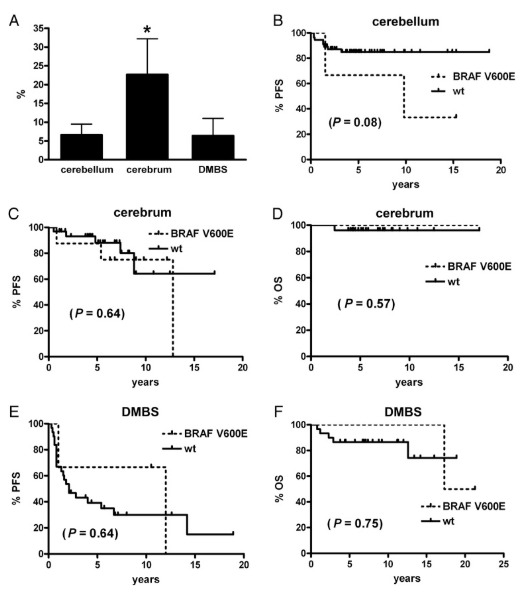
Fig 15. Progression-free survival (PFS) and overall survival (OS) according to tumor location and BRAF V600E mutation
Limitations
A potential limitation of this study is the limited sample size. Much of the research conducted on theBRAF V600E mutation in pediatric low-grade gliomas has shown that there are a limited number of studies and clinical trials, which means the findings may not be generalizable to the broader population of pediatric patients (Hargrave et al.). Additionally, many of these targeted therapies , such as BRAF inhibitors, have only been studied for a short period of time. Even though there have been positive findings about these treatments, there is still limited evidence about their long-term effectiveness, possible side effects, and how they may affect a child’s growth and development years after treatment (Hargrave and Jones).

Figure 16. MRI scans showing examples of pediatric low-grade gliomas. These images demonstrate the appearance and location of tumors in children before treatment and highlight the importance of accurate imaging in diagnosis and treatment planning.
Another limitation is that not every child is eligible for targeted therapy. These treatments only work for patients whose tumors contain the BRAF V600E mutation, meaning molecular testing must first confirm the mutation before treatment can begin. Unfortunately, access to genetic testing and medications designed specifically for the treatment may not be equal for every family. The high cost of molecular testing, limited availability of specialized pediatric cancer centers, and differences in insurance coverage can create barriers that prevent some children from receiving the most advanced treatments. Even though the healthcare industry is advancing every day through new technologies, equal access to these medical advancements remains a struggle, making it difficult to balance innovation with affordable and equitable healthcare for all communities and patients (Jones et al.).
There are also many questions that remain unanswered. Researchers are still studying why some children respond exceptionally well to targeted therapy while others eventually develop resistance to treatment. More research is also needed to understand whether these therapies can improve long-term survival and how they compare with traditional treatments decades after diagnosis. Researchers also continue to investigate the optimal duration of targeted therapy, where combination therapies can reduce drug resistance, and while patients will benefit the most from these treatments (Hargrave and Jones). With ongoing research, larger patient populations and longer follow-up periods will help answer these questions and continue to help improve future care for children diagnosed with pediatric low-grade gliomas (Ryall et al.).
Implications
The findings show that the BRAF V600E mutation has changed how pediatric low-grade glioma patients are diagnosed and being treated in today’s society. Being able to identify this mutation through molecular testing, doctors are now able to diagnose tumors more accurately and choose treatments that are tailored to each patient's genetic makeup instead of using the same treatment approach for everyone (National Cancer Institute). This would allow many children to receive more personalized care and may reduce the need for more aggressive treatments, as targeted therapies are becoming more widely available (National Comprehensive Cancer Network).
Additionally, these findings represent hope for children and families facing a pediatric brain tumor diagnosis. A diagnosis of cancer can completely change a family’s daily life, bringing uncertainty, leading them to having emotional stress, and forcing families to make difficult decisions (Cancer Research UK).
This research also highlights how genetics in the medicine world is transforming healthcare as a whole. As molecular testing becomes more common, doctors can move away from relying solely on what the tumor looks like under a microscope (World Health Organization). This research has many important implications for future patients in pediatric oncology. By understanding the genetic makeup of tumors, it encourages researchers to be able to continue to develop targeted therapies that are more effective and less harmful than many conventional treatments. Instead of only treating the cancer itself, medicine is beginning to focus on treating the specific genetic mutation causing the disease. This shift allows doctors the potential to improve patient outcomes while reducing unnecessary exposure to chemotherapy or radiation when better alternatives are available (National Comprehensive Cancer Network). As additional research continues, these discoveries may influence how many other childhood cancers are diagnosed and treated in the future (National Cancer Institute).
Furthermore, this research highlights the growing role of genetics in a modern society that is focusing on rebranding and continually advancing healthcare. Molecular testing is becoming an essential part of cancer diagnosis, helping physicians predict prognosis, guide treatment decisions, and identify patients who may benefit from new targeted therapies. The continued advancement of precision is an important step towards creating treatments that are not only more effective, but also safer for children facing life-changing illnesses (Cancer Research UK).
Impact
Beyond the scientific discoveries, this research represents something much greater for children and their families. It represents hope. Pediatric low-grade gliomas affect children during some of the most important years of their lives. At a crucial time when children should be focusing on learning in school, playing sports, and creating childhood memories, many are instead spending months or even years going to doctor’s appointments, having surgeries, and receiving treatments. Even if the treatment is over for them, the journey does not always end, either for the patient or their family. Many children continue to live with long term effects such as vision problems, memory loss, learning difficulties, seizures, or trouble moving (Lassaletta et al., 2938-39). These challenges make everyday activities harder and may affect their confidence, education, and independence as they grow older.
Research has shown that children with the BRAF V600E mutation often do not respond as well to traditional treatments like chemotherapy and radiation (Penman and Lassaletta, 2937). As a result, some children may experience tumor progression or need additional treatments, which can place even more physical and emotional stress on both the child and their family. However, more recent targeted therapies have shown promising results by slowing tumor growth and helping some children avoid more aggressive treatments (Del Bufalo and Di Nunno). This gives children a better chance to continue to develop, spend more time with their loved ones, and enjoy the experiences that every child deserves.
More importantly, improving treatments is not only about helping children survive cancer. It is also about protecting their quality of life after treatment. In the end, this research reminds us that every scientific discovery is more than just a medical breakthrough or a miracle. Every child deserves the opportunity to return to school, laugh with friends, celebrate milestones, and dream about their future without their diagnosis defining who they are. As research on the BRAF V600E mutation continues to expand, scientists hope that advances in precision medicine will allow future generations of children not only live longer, but also be able to experience healthier, happier, and more fulfilling lives (Di Nunno and el Bufalo).
Conclusion
Our research demonstrates that the BRAF V600E point mutation represents a major shift in how pediatric low-grade gliomas (pLGGs) are diagnosed, managed, and treated. Caused by a single amino acid substitution (valine replaced by glutamic acid at position 600), this mutation drives tumor growth by continuously activating the MAPK/ERK signaling pathway. While traditional standard care relies on surgical resection, chemotherapy (such as carboplatin and vincristine), or radiation, these approaches often present significant limitations, especially when tumors are located indelicate, non-resectable midline brain structures, or when radiation may cause permanent neurocognitive and endocrine deficits in developing children. The emergence of targeted therapies such as dual BRAF and MEK inhibition using dabrafenib and trametinib, has allowed clinicians to directly target the mutated protein, slowing or halting tumor progression while preserving healthy, developing brain tissue.
Ensuring every child gets the treatment they need starts with widespread awareness of the BRAF V600E mutation.This knowledge empowers patients and their families to make informed decisions. Educating families and healthcare providers on early warning signs, such as persistent morning headaches and sudden vision changes, is crucial for identifying tumors early. Equally important is making routine genetic testing standard practice at the time of biopsy. When doctors can identify the mutations right away, they can immediately connect patients to more precise, targeted therapies tailored to their tumor's genetic makeup.
While these new treatments offer significant promise, critical questions remain unanswered. Researchers still need to evaluate the long-term safety of these medications, particularly how they influence a child’s physical growth, brain development, and future fertility. Beyond safety, scientists must unravel why some children do not respond to treatment or eventually develop drug resistance, while also determining the ideal dosage and duration of therapy to prevent the tumor from returning. Additionally long-term clinical studies involving larger pediatric populations will be essential to answer these questions and further improve patient outcomes.
Significant challenges still stand in the way of effective care. The steep cost of genetic testing and targeted drugs creates financial, geographic, and socioeconomic barriers, leaving many families without equal access to care, highlighting broader healthcare inequalities and the need for policy improvements. Anatomically, many tumors develop in delicate or hard-to-reach areas of the brain, ruling out surgery and leaving patients entirely reliant on medical therapies.
Ultimately, researching the BRAF V600E mutation represents a powerful shift toward precision medicine, offering safer, targeted therapies that halt tumor growth while protecting a child's overall quality of life. Although many significant hurdles remain, continued scientific progress gives us real reason for optimism. With increased awareness, equitable access to molecular testing and targeted therapies, and dedicated funding for pediatric cancer research, we can build a future where every child facing a brain tumor receives the life-saving treatment they deserve.
Most importantly, it is crucial to understand that research reaches far more than scientific discovery; it is about restoring health, vitality, and providing hope to young patients and their families. Every advancement in precision medicine brings us one step closer to a future where children with pediatric low-grade gliomas can not only survive their diagnosis, but also thrive beyond it.
Acknowledgement
We would like to express our sincere gratitude to Sunshine 4 Cancer Kids for creating this incredible opportunity and bringing together such a passionate group of students from around the world. Thank you for your dedication in organizing this internship. This experience has truly been both inspiring and educational, and we are truly grateful for the knowledge, mentorship, and meaningful connections we have gained. It has been an honor to collaborate with talented students from different countries, and we will always appreciate the support and opportunities this internship has provided.
Bibliography
American Cancer Society medical and editorial content team . (2021). Types of brain tumors in children. In Cancer.org. https://www.cancer.org/cancer/types/brain-spinal-cord-tumors-children/types-of-brain-and-spinal-tumors.html
Andrews, L. J., Thornton, Z. A., Saincher, S. S., Yao, I. Y., Dawson, S., McGuinness, L. A., Jones, H. E., Jefferies, S., Short, S. C., Cheng, H.-Y., McAleenan, A., Higgins, J. P. T., & Kurian, K. M. (2021). Prevalence of BRAFV600 in glioma and use of BRAF Inhibitors in patients with BRAFV600 mutation-positive glioma: systematic review. Neuro-Oncology, 24(4), 528. https://pmc.ncbi.nlm.nih.gov/articles/PMC8972326/
Aucoin, L., Templer, J. W., Tate, M. C., & Dixit, K. S. (2025). The role of a multidisciplinary clinic for management of patients with IDH mutant gliomas. Frontiers in Oncology, 15. https://doi.org/10.3389/fonc.2025.1729589
Bazer, D., Kolchinski, A., Bush, N., Clarke, J., Bagley, S., & Schreck, K. (2026). Checking your browser - recaptcha. Nih.Gov. https://pmc.ncbi.nlm.nih.gov/articles/PMC11398919/
Board, E. (2021). WHO classification of tumours of the central nervous system [... presented in this book reflects the views of the WHO Classification Tumours Editorial Board that convened via video conference 24-26 August 2020]. Lyon Internat. Agency For Research Of Cancer.
Bond, C. E., & Whitehall, V. L. J. (2018). How the BRAF V600E mutation defines a distinct subgroup of colorectal cancer: Molecular and clinical implications. Gastroenterology Research and Practice, 2018, 9250757. https://doi.org/10.1155/2018/9250757
Bouffet, E., Hansford, J. R., Garrè, M. L., Hara, J., Plant-Fox, A., Aerts, I., Locatelli, F., van der Lugt, J., Papusha, L., Sahm, F., Tabori, U., Cohen, K. J., Packer, R. J., Witt, O., Sandalic, L., Bento Pereira da Silva, A., Russo, M., & Hargrave, D. R. (2023). Dabrafenib plus Trametinib in Pediatric Glioma with BRAF V600 Mutations. New England Journal of Medicine, 389(12), 1108–1120. https://doi.org/10.1056/nejmoa2303815
Bowyer, S., Lee, R., Fusi, A., & Lorigan, P. (2015). Dabrafenib and its use in the treatment of metastatic melanoma. Melanoma Management, 2(3), 199–208. https://doi.org/10.2217/mmt.15.21
Brain and spinal cord tumors in children. (n.d.-a). In www.cancer.org. Retrieved July 29, 2026, from https://www.cancer.org/cancer/types/brain-spinal-cord-tumors-children.html
Brain and Spinal Cord Tumors in Children Early Detection, Diagnosis, and Staging. (2025a). In Cancer.org. https://www.cancer.org/cancer/types/brain-spinal-cord-tumors-children/detection-diagnosis-staging.html
Brizini, M., Perreault, S., Bennett, J., & Hassan, H. (2026). Advances in the management of pediatric low-grade glioma. Nih.Gov. https://pmc.ncbi.nlm.nih.gov/articles/PMC13320482/
Cancer Research UK. (n.d.). Treatment for children’s brain tumours. In www.cancerresearchuk.org. Retrieved July 29, 2026, from https://www.cancerresearchuk.org/about-cancer/childrens-cancer/brain-tumours/treatment
Canella, A., Nazzaro, M., Artomov, M., Rao Venkata, L. P., Thomas, D., Lyberger, J., Ukhatov, A., Xing, Y. L., Miller, K., Behbehani, G., Amankulor, N. M., Petritsch, C. K., & Rajappa, P. (2024). BRAF V600E in a preclinical model of pleomorphic Xanthoastrocytoma: Analysis of the tumor microenvironment and immune cell infiltration dynamics in vivo. Molecular Therapy: Oncology, 32(2), 200808. https://doi.org/10.1016/j.omton.2024.200808
Capogiri, M., De, A. J., Lassaletta, A., Muñoz, D. P., Jean-Philippe Coppé, Mueller, S., & Guerreiro, A. S. (2023). Response and resistance to BRAFV600E inhibition in gliomas: roadblocks ahead? Frontiers in Oncology, 12. https://doi.org/10.3389/fonc.2022.1074726
Central Nervous System Cancers . (n.d.-b). In NCCN. Retrieved July 29, 2026, from https://www.nccn.org/guidelines/guidelines-detail?category=1&id=1425
Chen, J., Qi, X., Zhang, M., Zhang, J., Han, T., Wang, C., & Cai, C. (2023). Review on neuroimaging in pediatric-type diffuse low-grade gliomas. Frontiers in Pediatrics, 11. https://doi.org/10.3389/fped.2023.1149646
Childhood Astrocytomas and Other Gliomas Treatment (PDQ®) - NCI. (2009). In www.cancer.gov. https://www.cancer.gov/types/brain/hp/child-astrocytoma-glioma-treatment-pdq
Cleveland Clinic. (2021). Tumor: What Is It, Types, Symptoms, Treatment & Prevention. In Cleveland Clinic. https://my.clevelandclinic.org/health/diseases/21881-tumor
Cleveland Clinic. (2022). Chemotherapy: What Is It, Types & Causes. In Cleveland Clinic. Cleveland Clinic. https://my.clevelandclinic.org/health/treatments/16859-chemotherapy
Clinical Content Hub. (2026). Management of Relapsed or Progressive Pediatric Low-Grade Glioma . Google.Com. https://www.google.com/url?q=https://www.cancertherapyadvisor.com/cch/management-of-relapsed-or-progressive-pediatric-low-grade-glioma/&sa=D&source=docs&ust=1785358392048257&usg=AOvVaw11Ag2KL7EdZL86Wv-vJ2ag
Collins, K. L., & Pollack, I. F. (2020). Pediatric low-grade gliomas. Cancers, 12(5), 1152. https://doi.org/10.3390/cancers12051152
Del Bufalo, F., Ceglie, G., Cacchione, A., Alessi, I., Colafati, G. S., Carai, A., Diomedi-Camassei, F., De Billy, E., Agolini, E., Mastronuzzi, A., & Locatelli, F. (2018). BRAF V600E Inhibitor (Vemurafenib) for BRAF V600E Mutated Low Grade Gliomas. Frontiers in Oncology, 8. https://doi.org/10.3389/fonc.2018.00526
Fangusaro, J., Jones, D. T., Packer, R. J., Gutmann, D. H., Milde, T., Witt, O., Mueller, S., Fisher, M. J., Hansford, J. R., Uri Tabori, Hargrave, D., & Pratiti Bandopadhayay. (2023). Pediatric low-grade glioma: state-of-the-art and ongoing challenges. Neuro-Oncology, 26(1), 25–37. https://doi.org/10.1093/neuonc/noad195
Fouda, M. (2023, April 13). BRAF Landscape and Its Implications among Patients with Pediatric Low-Grade Gliomas: A Comprehensive Review of the Literature. Journal of Pediatric Neurology . Journal of Pediatric Neurology. https://www.thieme-connect.com/products/ejournals/abstract/10.1055/s-0043-1768029
Guidi, M., & Giunti, L. (2017). P11.07 braf v600e mutation: has it a role in pediatric gliomas? Neuro-Oncology, 19(Suppl 3), iii92. https://pmc.ncbi.nlm.nih.gov/articles/PMC5464052/
Hargrave, D., Éric Bouffet, Uri Tabori, Broniscer, A., Cohen, K. J., Hansford, J. R., Geoerger, B., Hingorani, P., Dunkel, I. J., Russo, M. W., Tseng, L., Dasgupta, K., Eduard Gasal, Whitlock, J. A., & Kieran, M. W. (2019). Efficacy and Safety of Dabrafenib in Pediatric Patients with BRAF V600 Mutation–Positive Relapsed or Refractory Low-Grade Glioma: Results from a Phase I/IIa Study. Clinical Cancer Research, 25(24), 7303–7311. https://doi.org/10.1158/1078-0432.ccr-19-2177
Horbinski, C., Nikiforova, M. N., Hagenkord, J. M., Hamilton, R. L., & Pollack, I. F. (2012). Interplay among BRAF, p16, p53, and MIB1 in pediatric low-grade gliomas. Neuro-Oncology, 14(6), 777–789. https://doi.org/10.1093/neuonc/nos077
IJzerman-Korevaar, M., Snijders, T. J., de Graeff, A., Teunissen, S. C. C. M., & de Vos, F. Y. F. (2018). Prevalence of symptoms in glioma patients throughout the disease trajectory: a systematic review. Journal of Neuro-Oncology, 140(3), 485–496. https://doi.org/10.1007/s11060-018-03015-9
Image Guided Radiation Therapy . (2026a). Google.Com. https://www.google.com/url?q=https://virginiaradiation.com/treatment-and-services/image-guided-radiation-therapy/&sa=D&source=docs&ust=1785358343891973&usg=AOvVaw30KBFEHpXadZtZW9GEZ56E
Johns Hopkins Medicine. (2023). Braf mutation and cancer. In www.hopkinsmedicine.org. https://www.hopkinsmedicine.org/health/conditions-and-diseases/braf-mutation-and-cancer
Jones, D. R., Banito, A., Thomas, Haber, M., Jäger, N., Kool, M., Milde, T., Molenaar, J. J., Arash Nabbi, Pugh, T. J., Katleen De Preter, Smith, M. A., Westermann, F., & Pfister, S. M. (2019). Molecular characteristics and therapeutic vulnerabilities across paediatric solid tumours. Nature Reviews Cancer, 19(8), 420–438. https://doi.org/10.1038/s41568-019-0169-x
Kilburn, L. B., Khuong-Quang, D.-A., Hansford, J. R., Landi, D., van der Lugt, J., Leary, S. E. S., Driever, P. H., Bailey, S., Perreault, S., McCowage, G., Waanders, A. J., Ziegler, D. S., Witt, O., Baxter, P. A., Kang, H. J., Hassall, T. E., Han, J. W., Hargrave, D., Franson, A. T., … Nysom, K. (2023). the type ii raf inhibitor tovorafenib in relapsed/refractory pediatric low-grade glioma: the phase ll firefly-1 trial. Nature Medicine, 1–11. https://doi.org/10.1038/s41591-023-02668-y
Lassaletta, A., Zapotocky, M., & Bouffet, E. (2024). Chemotherapy in pediatric low-grade gliomas (PLGG). Child S Nervous System, 40(10), 3229–3239. https://doi.org/10.1007/s00381-024-06458-w
Lassaletta, A., Zapotocky, M., Mistry, M., Ramaswamy, V., Honnorat, M., Krishnatry, R., Guerreiro Stucklin, A., Zhukova, N., Arnoldo, A., Ryall, S., Ling, C., McKeown, T., Loukides, J., Cruz, O., de Torres, C., Ho, C.-Y., Packer, R. J., Tatevossian, R., Qaddoumi, I., … Tabori, U. (2017). Therapeutic and prognostic implications of BRAF V600E in pediatric low-grade gliomas. Journal of Clinical Oncology, 35(25), 2934–2941. https://doi.org/10.1200/jco.2016.71.8726
Lehigh Valley Topper Cancer Institute. (2026). Brain Tumor Care (Neuro-oncology). Google.Com. https://www.google.com/url?q=https://www.lvhn.org/medical-services/brain-tumor-care-neuro-oncology&sa=D&source=docs&ust=1785357862475219&usg=AOvVaw2FUVJH8QK0BP62RT_5US4K
Li, F., Bondra, K. M., Wang, H., Dias Kurmashev, Mukherjee, B., Kanji, S., Habib, A. A., Chen, Y., Zheng, S., Burma, S., & Houghton, P. J. (2025). Dual inhibition of MAPK and TORC1 signaling retards development of radiation resistance in pediatric BRAFV600E glioma models. Neuro-Oncology, 27(7), 1787. https://pmc.ncbi.nlm.nih.gov/articles/PMC12417835/
Lim, Y. J. (2022). Medical treatment of pediatric low-grade glioma. Brain Tumor Research and Treatment, 10(4), 221. https://doi.org/10.14791/btrt.2022.0039
Mayo Clinic. (2019). Glioma - Symptoms and causes. In Mayo Clinic. https://www.mayoclinic.org/diseases-conditions/glioma/symptoms-causes/syc-20350251
McThenia, S. S., Reddy, K. M., Damaraju, E., Castellino, E., He, Z., Beer, R., Chien, F., Castellino, R. C., Goldman-Yassen, A. E., Fangusaro, J. R., & MacDonald, T. (2025). BRAF inhibitor monotherapy in BRAFV600E-mutated pediatric low-grade glioma: a single center’s experience. Frontiers in Oncology, 14. https://doi.org/10.3389/fonc.2024.1505951
Micromedex, M. (2025). Dabrafenib (oral route) - Side effects & dosage. In Mayo Clinic. https://www.mayoclinic.org/drugs-supplements/dabrafenib-oral-route/description/drg-20061178
mri picture of a glioblastoma. (n.d.-c). In www.aboutcancer.com. Retrieved July 29, 2026, from https://www.aboutcancer.com/mri_gbm.htm
Multi-Disciplinary Team (MDT) | The Brain Tumour Charity. (n.d.-d). In www.thebraintumourcharity.org. Retrieved July 29, 2026, from https://www.thebraintumourcharity.org/brain-tumour-diagnosis-treatment/navigating-the-healthcare-system/your-health-team-mdt/
Nature Index. (2025b). Targeted Therapy for BRAF-Mutated Gliomas | Cancer Therapy | Oncology and Carcinogenesis | Health sciences | Topics | Nature Index. NatureIndex. https://www.nature.com/nature-index/topics/l4/targeted-therapy-for-braf-mutated-gliomas
Nobre, L., Zapotocky, M., Ramaswamy, V., Ryall, S., Bennett, J., Alderete, D., Balaguer Guill, J., Baroni, L., Bartels, U., Bavle, A., Bornhorst, M., Boue, D. R., Canete, A., Chintagumpala, M., Coven, S. L., Cruz, O., Dahiya, S., Dirks, P., Dunkel, I. J., … Tabori, U. (2020). Outcomes of BRAF V600E pediatric gliomas treated with targeted BRAF inhibition. JCO Precision Oncology, (4), 561–571. https://doi.org/10.1200/po.19.00298
Owsley, J., Stein, M. K., Porter, J., In, G. K., Salem, M., O’Day, S., Elliott, A., Poorman, K., Gibney, G., & VanderWalde, A. (2021). prevalence of class i–iii brand mutations among 114,662 cancer patients in a large genomic database. Experimental Biology and Medicine, 246(1), 31–39. https://doi.org/10.1177/1535370220959657
Penman, C. L., Faulkner, C., Lowis, S. P., & Kurian, K. M. (2015). Current understanding of braf alterations in diagnosis, prognosis, and therapeutic targeting in pediatric low-grade gliomas. Frontiers in Oncology, 5. https://doi.org/10.3389/fonc.2015.00054
Planchard, D., Sanborn, R. E., Negrao, M. V., Vaishnavi, A., & Smit, E. F. (2024). BRAFV600E-mutant metastatic NSCLC: disease overview and treatment landscape. Npj Precision Oncology, 8(1), 1–13. https://doi.org/10.1038/s41698-024-00552-7
Radiopaedia.org. (2026b). In Radiopaedia. https://radiopaedia.org/cases/low-grade-glioma-8
Radiotherapy optional for older breast cancer patients. (2023). In The University of Edinburgh. https://www.ed.ac.uk/news/2023/radiotherapy-optional-for-older-breast-cancer-pati
Research, C. D. E. (2023). FDA approves dabrafenib with trametinib for pediatric patients with low-grade glioma with a BRAF V600E mutation. FDA. https://www.fda.gov/drugs/resources-information-approved-drugs/fda-approves-dabrafenib-trametinib-pediatric-patients-low-grade-glioma-braf-v600e-mutation
Research, C. D. E. (2024). FDA grants accelerated approval to tovorafenib for patients with relapsed or refractory BRAF-altered pediatric low-grade glioma. FDA. https://www.fda.gov/drugs/resources-information-approved-drugs/fda-grants-accelerated-approval-tovorafenib-patients-relapsed-or-refractory-braf-altered-pediatric
Reynolds, S. (2024, May 28). national cancer institute (.gov). Cancer.Gov. http://cancer.gov/news-events/cancer-currents-blog/2024/pediatric-low-grade-glioma-tovorafenib-braf
Ryall, S., Zapotocky, M., Fukuoka, K., Nobre, L., Guerreiro Stucklin, A., Bennett, J., Siddaway, R., Li, C., Pajovic, S., Arnoldo, A., Kowalski, P. E., Johnson, M., Sheth, J., Lassaletta, A., Tatevossian, R. G., Orisme, W., Qaddoumi, I., Surrey, L. F., Li, M. M., … Hawkins, C. (2020). Integrated molecular and clinical analysis of 1,000 pediatric low-grade gliomas. Cancer Cell, 37(4), 569–583.e5. https://doi.org/10.1016/j.ccell.2020.03.011
Sameer Farouk Sait, Giantini-Larsen, A. M., Tringale, K. R., Souweidane, M. M., & Karajannis, M. A. (2023). Treatment of pediatric low-grade gliomas. Current Neurology and Neuroscience Reports, 23(4), 185–199. https://doi.org/10.1007/s11910-023-01257-3
Signs and symptoms of brain tumors in children. (2019). Cancer.Org. https://www.cancer.org/cancer/types/brain-spinal-cord-tumors-children/detection-diagnosis-staging/signs-and-symptoms.html?utm_source=chatgpt.com
Stem cell or bone marrow transplant. (2022). Cancer.Org. https://www.cancer.org/cancer/treatment-types/stem-cell-transplant.html
Suh, J. K., & Koh, K.-N. (2026). Current perspectives on pediatric low-grade gliomas: focus on BRAF and MEK inhibition. Brain Tumor Research and Treatment, 14(1), 1. https://doi.org/10.14791/btrt.2025.0026
Tees, M. (2023). CAR T-cell Therapy for Lymphoma - The Good, the Bad, and the Exciting | BMT Infonet. Bmtinfonet.Org. https://bmtinfonet.org/video/car-t-cell-therapy-lymphoma-good-bad-and-exciting
Vincenzo Di Nunno, Gatto, L., Tosoni, A., Bartolini, S., & Franceschi, E. (2023). Implications of BRAF V600E mutation in gliomas: Molecular considerations, prognostic value and treatment evolution. 12. https://doi.org/10.3389/fonc.2022.1067252
Yetman, D. (2021). Leukemia Stem Cell Transplant: Benefits, Procedure, Side Effects, More. In Healthline. https://www.healthline.com/health/leukemia/leukemia-stem-cell-transplant
Éric Bouffet, Hansford, J. R., Maria Luisa Garrè, Hara, J., Plant-Fox, A., Aerts, I., Locatelli, F., Jasper, Ludmila Papusha, Sahm, F., Uri Tabori, Cohen, K. J., Packer, R. J., Witt, O., Sandalic, L., Bento, A., Russo, M. W., & Hargrave, D. (2023). Dabrafenib plus Trametinib in Pediatric Glioma with BRAF V600 Mutations. The New England Journal of Medicine, 389(12), 1108–1120. https://doi.org/10.1056/nejmoa2303815


Comments